


 +91 9951402666








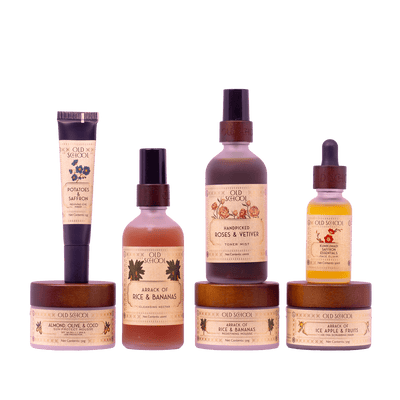
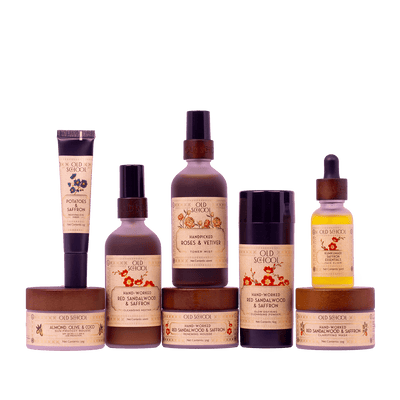


Imagine two people following the same perfect skincare routine: cleanser, toner, serum, moisturiser, and sunscreen protection. Person A’s skin responds well, while Person B experiences dryness, oiliness, or irritation. The reason? One routine does not fit all. Every skin is unique and asks for a distinct care routine. This blog will help you identify your skin type and guide you on personalising your skincare routine. From dry to oily, combination to sensitive, you’ll learn what each type needs and how to mix and match products effectively for balanced, healthy skin.
Why Understanding Your Skin Type Matters?
Personalising Skincare Routine:
Understanding your skin type helps create a tailored skincare routine with products that suit your skin’s specific needs. Depending on your skin type, your focus could be:
- Managing dryness to keep your skin soft and hydrated
- Controlling excess sebum to prevent shine and clogged pores
- Avoiding reactions such as rashes and itching
Lifestyle and Habits:
Your skin type guides better lifestyle choices, such as adjusting sleep patterns, reducing stress, staying hydrated, and protecting against environmental factors.
What Are the Different Skin Types?
1. Dry Skin
- Look: White patches, visibly peeling skin particles, cracks, occasional redness and rashes, and dullness.
- Feel: A distinct roughness, itching sensation, tight, papery texture that causes slight discomfort or a sense of "pulling" when you smile or move your face.
2. Oily Skin
- Look: Oiliness that gives a shiny appearance and a dull tone, small, dark-colored bumps- acne or blackheads, and enlarged skin pores are visible to the naked eye, like tiny pits on the surface of the nose and cheeks.
- Feel: Always oily even after cleansing.
3. Combination Skin
You’ll spot mixed traces or a combination of dryness and oiliness.
- Look: An oily layer concentrated on the T-Zone (forehead, nose, and chin), where pores are enlarged and visible. Meanwhile, the cheeks and jawline have flaky, peeling skin.
- Feel: Oily, slick, or greasy, even after cleansing, while also tight, rough, or dry, peeling skin in some patches.
4. Sensitive Skin
Each sensitive skin behaves uniquely, and no single set of symptoms defines it. Sometimes, a change in weather, other times, when you choose a new product, or due to food choices, your skin reacts.
- Look: Persistent redness, white cracks, unusual oiliness, tiny bumps like acne, blackheads, whiteheads, unpredictable reactions to skincare products.
- Feel: Burning or itching sensations, greasiness, rough texture.
5. Normal Skin
Balanced and generally problem-free, normal skin maintains harmony between oil and moisture
- Look: Even skin tone, smooth surface, minimal visible pores, natural healthy glow, and very few imperfections or breakouts.
- Feel: Soft, supple, and comfortable, neither oily nor dry, with no tightness, greasiness, or irritation after cleansing.
How to Identify Your Skin Type?

1) The "Bare-Faced" Method to Identify Your Skin Type
Step 1: Right After Cleansing
- Wash your face with lukewarm water and a cleanser.
- Do not apply any skincare products, harsh scrubs, or active ingredients, as they can obscure the clarity of your original skin.
- Let your skin dry and freshen up.
- Now that your skin has its original clarity, observe its appearance and feel its texture to judge.
- Wipe dry gently and leave your skin bare.
Step 2: Wait 30–60 Minutes
The cleansing and waiting period allow your skin to reveal itself.
Step 3: Observe Closely (Look + Feel)
- Does your skin feel tight, itchy, or uncomfortable, especially around the mouth and eyes?
- Does it feel smooth and comfortable, with no urge to moisturise?
- Do certain areas (forehead, nose, chin) feel greasy?
- Do your cheeks feel normal or dry while the T-zone looks oily?
Your answers here provide the first clear indicators of your skin type. Use this quick checklist to self-identify patterns:
2) The Blotting Paper Test
After cleansing and waiting 60 minutes, gently press a clean blotting paper or single tissue sheet onto different areas of your face.
| Blotting Paper Result | What You Observe | What It Indicates |
|---|---|---|
| Oil is visible across the forehead, nose, cheeks, and chin | Paper turns translucent in most areas | Oily Skin |
| Oil only from the forehead, nose, and chin | Cheeks show little to no oil | Combination Skin |
| Little to no oil anywhere | Paper remains mostly dry | Dry or Normal Skin |
| Minimal oil, but the skin reacts with redness or irritation | Discomfort despite low oil | Sensitive Skin |

3) The Dermatologist’s Opinion
While home tests are excellent starting points, a dermatologist's recommendation is the safest way not just to identify your skin type but also to curate a care routine your skin craves.
How to Personalise Your Skincare Routine After Identifying Your Skin Type?
Dry Skin:
- Needs exfoliation for removing dead skin cells and moisturisation to reduce all symptoms of dryness.
- Facial Care Routine to Follow:
- Cleanser: Rice & Banana face wash gently cleanses the dry, peeling skin with its grainy texture. When these dead cells are removed, it leaves a soothing feel.
- Weekly Cleansing With Scrubs: Dry skin builds up dead cells that block moisture. Using the Mango & Lemon Exfoliating Jelly once a week gently removes this layer, smooths roughness, and helps skincare absorb better without irritating the skin.
- Toner: A hydrating rose water toner provides a cooling effect on itchy, dry skin.
- Serum/Face Oil: Use a nourishing serum or facial oil to condition dry skin and improve elasticity.
- Moisturiser: The Red Sandalwood and Saffron moisturising cream, infused with Ashwagandha, Amla, and more, helps soften dry patches, calm irritation, and improve dullness.
Oily Skin:
- Needs thorough but gentle cleansing to keep pores and the skin surface clear, so excess oil can flow out freely without getting trapped and causing congestion or breakouts.
- Facial Care Routine to Follow:
-
Cleanser:
Indian Spices Cleanser removes excess oil, sweat, and pollutants from the skin’s surface and deep within the pores. Clean pores allow oil to move out naturally instead of mixing with dead skin cells, which helps reduce blackheads and acne.
-
Weekly Mask:
Indian Spices Purifying Mask, blended with Multani Mitti and camphor, deeply cleanses pores, lifts dead skin cells, and absorbs excess oil. This prevents buildup that leads to clogged pores, dullness, and breakouts.
-
Toner:
Cinnamon & Mango Toner helps refine the appearance of pores, restores the skin’s natural pH, and keeps the skin fresh, so oil feels lighter and less sticky on the surface.
-
Serum:
Indian Spices Serum with camphor, niacinamide, and green tea seeps into the skin to calm acne, reduce inflammation, and support clearer-looking skin.
-
Moisturiser:
Even oily skin needs moisturisation. Indian Spices Lightweight Moisturiser hydrates the skin without adding stickiness or oiliness.
Combination Skin:
- Needs care for both oily and dry areas at the same time. Mix and match products from Dry and Oily routines
- Facial Care Routine to Follow:
-
Cleanser:
Red Sandalwood & Saffron Cleanser removes excess oil and daily impurities from the T-zone while preserving moisture in drier areas. It keeps the skin clean and comfortable without leaving it feeling tight or greasy.
-
Weekly Cleansing with Mask:
A mild weekly scrub using the Red Sandalwood Mask helps clear buildup in oil-prone areas while softening dry patches.
-
Toner:
The Rose & Vetiver Toner lightly hydrates dry areas while calming and balancing oil activity in the T-zone. It refreshes the skin and helps maintain overall equilibrium after cleansing.
-
Serum:
Kumkumadi Face Oil nourishes and improves uneven texture and tone across the face, while its lightweight nature ensures oil-prone areas are not overloaded.
-
Moisturiser:
For a moisturiser that softens and replenishes dry patches while providing just enough hydration to oil-prone areas, apply a generous layer of the Red Sandalwood & Saffron Moisturiser.

Sensitive Skin:
- Needs gentle cleansing, soothing hydration, and barrier support to stay calm, comfortable, and resilient.
- Facial Care Routine to Follow:
-
Cleanser:
Rice & Banana Cleanser gently cleans sensitive skin while lightly removing surface impurities and dead skin cells. It keeps the skin soft and clean without disrupting its natural moisture balance or triggering irritation.
-
Weekly Mask:
An occasional Turmeric and Honey Mask over-cleansing
-
Toner:
Rose & Vetiver Toner soothes and refreshes the skin after cleansing, helping reduce signs of sensitivity while maintaining hydration and comfort.
-
Serum / Face Elixir:
Kumkumadi face oil nourishes the skin, supports repair, and enhances natural radiance when used in small amounts, making it suitable even for delicate skin.
-
Moisturiser:
Rice & Banana Moisturiser helps soften roughness, protect against daily environmental stress, and support a healthy skin barrier, keeping sensitive skin calm, smooth, and well-nourished throughout the day.
Normal Skin:
- Needs simple, consistent care to maintain its natural glow, softness, clarity, and healthy immune system.
- Facial Care Routine to Follow:
-
Cleanser:
A gentle Red Sandalwood cleanser removes daily dirt and impurities without disturbing the skin’s natural balance.
-
Weekly Cleansing Mask & Scrubbing
Use the Ice Apple & Fruits Detan Mask or the Turmeric & Wild Honey Mask once a week to gently cleanse, refresh the skin, and remove mild buildup. These masks help maintain clarity and brightness without overworking balanced skin.
-
Toner:
Choose a hydrating toner, such as Rose Water or the Cinnamon & Mango Toner, to lightly hydrate, refresh the skin, and maintain its natural pH after cleansing.
-
Serum:
Optional, used as needed for seasonal changes or when the skin needs extra nourishment or glow support.
-
Moisturiser:
Red Sandalwood & Saffron Moisturising Cream maintains hydration and softness, and provides daily protection from environmental stressors, helping normal skin stay healthy and resilient.
With Old School Rituals, learn to observe and listen to your skin patiently. Discover the wisdom of Indian ancestral skincare and embrace natural wellness recipes tailored for all skin types. Your journey to healthy, balanced skin starts with understanding and caring for it properly.
FAQs
Does skin type change over time?
Your core skin type stays the same but may shift slightly due to age, hormones, climate, and lifestyle.
Do I need to re-test my skin type seasonally?
No, but it’s helpful to reassess your skin’s needs each season as conditions like dryness or oiliness may change.
How to differentiate between skin type and skin condition?
Skin type (oily, dry, combination, normal) is genetic and long-term, while skin condition is temporary, changeable, and influenced by internal and external factors.


