


 +91 9951402666









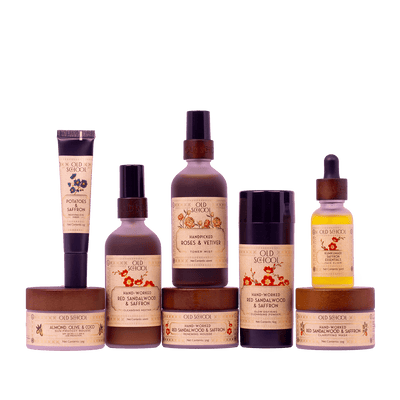


Have you ever wondered why you should use a face scrub when you already have a face wash? Your daily face wash cleanses on the outside, but your skin hides invisible layers like dead skin cells and tiny pores filled with impurities. Your face doesn’t just need cleaning; it needs exfoliation!
Learn the benefits of face scrubs and how to apply a scrub on your face effectively to enhance your skincare routine, revealing smoother, brighter, and healthier-looking skin.
What Is A Face Scrub?

A face scrub, also called a face exfoliator is a deep cleansing step for your facial skin. To add to the effect of simple daily washing with cleansers, a scrub is typically used once a week less often. It helps your skin shed old, damaged cells, unclog your facial pores and encourage the renewal of fresh, healthy skin underneath.
How to Use a Face Scrub and Exfoliate Properly

Step 1: Dampen Your Face and Neck with Warm Water
Start by wetting your face and neck with lukewarm water. This softens the skin and prepares it for exfoliation.
Step 2: Take the Right Amount of Scrub & Massage in Circular Motions
Scoop a small, coin-sized amount of face scrub into your palm. Using your fingertips, gently massage the scrub onto your damp skin in small, circular motions. Focus on areas prone to oil buildup, such as your forehead, nose, and chin.
Avoid the delicate under-eye area.
Step 3: Let It Settle for a While and Wash Away
Let the scrub sit for 3 to 4 minutes to allow the nourishing ingredients (like natural oils, honey, or fruit extracts) to penetrate the skin surface and soften and hydrate your skin.
Once the time is up, rinse the scrub away with warm water. Gently pat your face dry with a clean towel.
Step 4: Follow Up with Toner, Moisturiser, and Sunscreen
After exfoliation, your skin may feel a bit dry, which is completely normal. To restore balance, follow these steps:
Step 4: Follow Up with Toner, Moisturiser, and Sunscreen
After exfoliation, your skin may feel a bit dry, which is completely normal. To restore balance, follow these steps:
-
Toner:
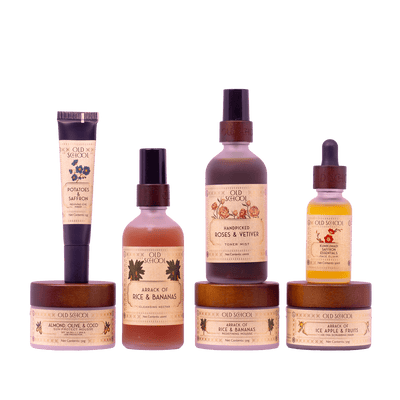
Use a gentle, chemical-free toner like the Cinnamon and Mango Toner to help balance your skin’s pH. -
Nighttime Serum:
Apply Kumkamadi Tailam at night to hydrate and lock in moisture, promoting smoothness and radiance. -
Daytime Moisturizer:
After your morning scrub bath, use a Rice and Banana Moisturising Cream to nourish and hydrate your skin without feeling heavy. -
Sunscreen:
Apply the Almond, Olive & Coco Sunscreen Cream to protect your freshly exfoliated skin from harmful UV rays and prevent further damage.
What Are The Benefits Of Using A Face Scrub?
1. Exfoliates Dead Skin Cells
The coarse particles in the scrubs help slough off dead skin cells, revealing smoother, fresher skin underneath. If accumulated, it can make your complexion look dull or cause clogged pores.
2. Keeps Facial Pores Clean
The abrasive particles in the scrub sweep away the dirt and oil that can block pores. Clean pores are a sign of healthy skin. It means fewer chances of acne, pimples or inflammation.
3. Washes off Excessive Facial Oils
Scrubbing removes excess oil from the skin’s surface, preventing the greasy look. For oily skin, this is crucial as it reduces the risk of clogged pores and concerns like pimples, acne, etc.
4. Prepares Skin for Absorbing Other Skincare Products
By removing the outer layer of dead skin, scrubbing prepares the skin to better absorb moisturisers, serums, and treatments to work more effectively.
5. Prevents Acne in the Long Term with Consistent Use
Regular exfoliation helps to maintain clear skin by preventing the buildup of oils, dirt, and dead skin that can clog pores and cause breakouts.
6. Reduces Hyperpigmentation, Dark Spots & Evens Out Skin Tone
Exfoliation can help fade dark spots, sun damage, and acne scars by encouraging the turnover of skin cells, leading to a more even complexion.
How to Choose the Best Face Scrub for Your Skin Type?
Here's a breakdown of key factors to help you choose the best face scrub for glowing skin:
1. Scrub Formulation (Physical vs. Chemical Exfoliation)
Exfoliation can be physical or chemical, depending on the scrub.
- Physical Exfoliation: Contains gritty particles (like sugar, salt, crushed nuts, or gentler exfoliants like mango wine) that manually slough off dead skin cells.
- Chemical Exfoliation: Uses ingredients like AHAs (Alpha Hydroxy Acids), BHAs (Beta Hydroxy Acids), or enzymes (from papaya) to dissolve dead skin cells gently. Lactic Acid is a popular option for deeper, smoother exfoliation without the roughness.
2. Scrub Texture
The texture of the scrub determines how it exfoliates your skin. Finer particles offer a gentler exfoliation, while coarser ones provide a more intense scrub.
Finer Particles - For instance, a natural scrub with Mango as the main exfoliant is perfect for sensitive skin. They provide gentle exfoliation while hydrating and softening the skin, making it suitable for regular use without irritation.
Coarser Particles - Coarser scrubs, often made with crushed nuts or shells, provide a deeper exfoliation and are better suited for normal or oily skin. However, they may be too harsh for sensitive or acne-prone skin, potentially causing inflammation or microtears.
3. Fragrance and Additives
Be mindful of fragranced scrubs or those containing artificial colors, especially if you have sensitive skin. Opt for products with natural, soothing ingredients to avoid irritation.
4. Skin Concerns (Acne, Pigmentation, Ageing)
Different scrubs target different skin concerns, so choose scrubs with ingredients that address your specific needs.
-
For Acne-Prone Skin (e.g., Cinnamon) – Cinnamon is great for controlling acne, as it helps reduce inflammation and control acne-causing bacteria, promoting clearer skin.
(For severe acne, avoid abrasive scrubs, as they can irritate the skin further. Instead, opt for face masks with a creamy, gel-like texture. )
- For Pigmentation or Dark Spots - Lemon and Liquorice work together to lighten dark spots, reduce pigmentation, and even out skin tone. Their high vitamin C content helps protect against environmental damage while brightening the skin.
- For Ageing or Fine Lines – Mango helps stimulate collagen production, promoting skin renewal and reducing the appearance of fine lines and wrinkles. This makes it an excellent choice for mature skin looking to improve elasticity and firmness.
Difference Between Face Scrub and Face Wash
Both face cleansers and face scrubs play essential skincare roles, here’s how they serve different purposes in your routine:
| Factor | Face Wash | Face Scrub |
|---|---|---|
| Main Purpose | Simple Cleansing: Removes dirt, oil, and makeup from the surface of the skin. | Exfoliation: Removes dead skin cells and unclogs pores, promoting skin renewal. |
| How It Works | Uses surfactants or foaming agents to dissolve and wash away impurities. | Contains abrasive particles (physical exfoliants) or acids/enzymes (chemical exfoliants) to slough off dead skin. |
| Frequency | Daily: Suitable for use morning and night as part of your regular cleansing routine. | Occasional: Typically used 1-3 times a week, depending on skin type and sensitivity. |
| Skin Type Suitability | Suitable for all skin types, including sensitive skin. | Best for normal, oily, or combination skin. Gentle scrubs are suitable for sensitive skin. |
| Hydration | Some face washes may contain moisturisers or hydrating ingredients. | Typically leaves skin feeling drier; moisturising is recommended post-exfoliation. |
Dos & Don’ts Of Face Scrub
Dos:
- Apply a face scrub on damp, not wet, skin.
- Use gentle pressure to avoid irritating your skin.
- Follow up with a moisturiser to hydrate your skin post-exfoliation.
Don’ts:
- Don’t scrub too hard; it can cause microtears in your skin.
- Don’t use a face scrub on open wounds or active breakouts.
- Don’t over-exfoliate; 1–2 times a week is typically sufficient.
FAQs
How to use face scrub correctly for beginners?
Start with a mild scrub, use it once a week, and gently massage on damp skin for 30-60 seconds. Avoid harsh rubbing and always moisturise after exfoliating.
Can I use a face scrub every day?
No, daily use can damage your skin barrier. Most skin types benefit from using a face scrub 1-2 times a week to avoid irritation.
What happens if I scrub my face too hard?
Scrubbing too hard can cause microtears, redness, and sensitivity, making your skin more prone to breakouts and irritation over time.
How to scrub my face properly without damaging the skin?
Use light circular motions with your fingertips, avoid aggressive pressure, and focus only on areas that need exfoliation like the T-zone.
Should I use a face scrub before or after face wash?
Face scrub should always be used after cleansing, as clean skin allows better exfoliation and prevents pushing dirt deeper into pores.
How long should I scrub my face for best results?
Ideally, 30-60 seconds of gentle scrubbing is enough. Over-scrubbing for longer durations can lead to skin irritation.
Is it okay to scrub my face if I have active acne?
Avoid physical scrubs on active acne, as it can irritate the skin further. Instead, opt for gentle chemical exfoliation.
Does face scrub remove pimples?
A face scrub helps prevent clogged pores and future breakouts, but it does not treat active pimples. For acne, targeted treatments work better.


