


 +91 9951402666








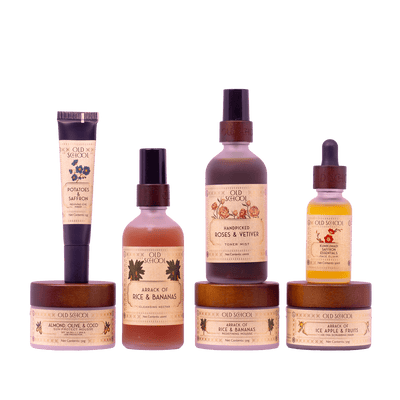
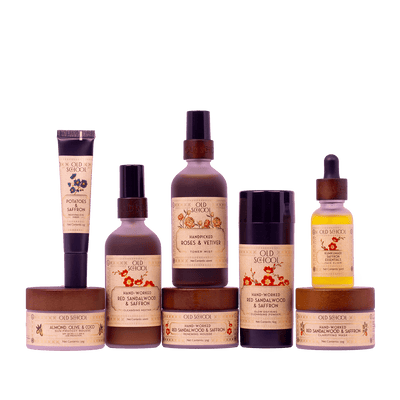


You oil your hair. You wash it. You condition it. And yet, by evening, it feels rough at the end, a little dull, a little tired. If this sounds familiar, the missing piece is not another shampoo or serum. It is a hair mask. The benefits of hair mask use go beyond a quick fix. Done right, it becomes the one step that repairs what daily stress, hard water, and styling take away from your strands. This blog walks you through what a hair mask actually does, how to apply it correctly, and how often your hair really needs it.
What is a Hair Mask?
A hair mask is a concentrated, leave-on treatment made to work deeper than a regular conditioner. Instead of rinsing off in seconds, it sits on the scalp and strands for several minutes, giving nutrients, oils, and herbs time to penetrate the hair shaft and the scalp surface. Where a conditioner smooths the outer layer, a mask works to rebuild moisture and strength from within. Traditionally, this idea is not new. Long before bottled products existed, herbal pastes made from ground botanicals, nourishing oils, and mineral-rich clays that drew out impurities were massaged into the hair and scalp, left on, and rinsed away, a slower ritual built into weekly hair care.
What are the Benefits of Hair Masks

The advantages of hair mask use show up in more than one way, and they build with consistency.
-
Deep hydration: Dry strands and a tight, flaky scalp both come from moisture loss caused by sun, pollution, and frequent washing. A mask restores that lost moisture at the source.
-
Stronger roots: Roots that sit in a poorly nourished scalp weaken over time, leading to more hair fall. A hair mask feeds the scalp and root zone directly.
-
Smoother texture: Regular use reduces tangles, frizz, and static, making hair easier to comb and style.
-
Visible shine: Smoother hair strands reflect light more evenly, which is why hair looks glossier after consistent mask use.
-
Reduced breakage: Dry, brittle lengths snap easily. A well-nourished strand bends instead of breaking.
-
Some protection against daily wear: Many of the plant extracts traditionally used in hair masks, like amla, hibiscus, and green tea, are valued for their antioxidant properties, which can help hair cope better with everyday exposure to sun and pollution.
None of these benefits happen overnight. They build the way most genuine hair care does, through consistency rather than a single application.
How to Use a Hair Mask: Step-by-Step Instructions
Getting the technique right matters as much as the product itself.
-
Start with oiled hair. Massage a natural hair oil into the scalp a few hours before your wash. This step nourishes the roots and prepares the hair to absorb the mask better later.
-
Wash and towel dry. Cleanse thoroughly with natural shampoo powder, then gently squeeze out excess water. Your hair should be damp, not dripping.
-
Apply the conditioner. Work a natural hair conditioner through mid-lengths to ends, focusing away from the roots. Leave it on for 15 to 20 minutes so it can work deeper into the strands before rinsing with cool water.
-
Detangle, then section it out. Gently comb through any knots first, since wet hair is more fragile and detangling after applying the mask raises the risk of breakage. Then divide hair into two to four parts so the mask reaches every strand evenly, especially if your hair is thick or long.
-
Apply from mid-length to ends. This is where dryness and damage concentrate the most. Use a small amount closer to the roots, since the scalp typically needs less product.
-
Massage gently and leave it on. Work the mask in with your fingers or a wide-tooth comb, then let it sit for 20 to 30 minutes. Covering your hair with a warm towel helps the mask absorb more effectively.
-
Rinse with cool or lukewarm water. Hot water strips moisture, which works against the very thing the mask is trying to do. A final cool-water rinse also helps the cuticle lie flat, which is what gives hair that extra shine right after a mask.
When Should I Apply a Hair Mask?
The best time to apply a hair mask is right after shampooing, while hair is still damp and the cuticle is slightly open, when strands absorb nourishment most readily. A hair mask isn't the same as a daily conditioner, though the two are often confused. A conditioner rinses off in under a minute and smooths the surface temporarily, while a mask works deeper and needs a longer sit time to make a real difference.
How Often Should You Use a Hair Mask
Most hair types do well with a hair mask once a week, twice if hair is very dry, chemically treated, or heat-styled often. Fine or oily hair usually needs less, closer to once every ten days, since over-masking can weigh strands down. The right rhythm depends on how your hair responds: softer and more manageable a day or two later means it's working, heavier or greasier sooner means it's time to space it out.
Easy DIY Hair Mask Recipes by Hair Concern
Not every hair concern needs the same fix, and the right ingredients at home can do the job just as well. Here are four quick masks to match what your hair actually needs.
For Dry Hair: Mash half a ripe banana with 2 tbsp yogurt and 1 tbsp honey. Apply on damp hair, leave for 20 minutes, rinse with lukewarm water.
For Hair Fall: Mix 2 tbsp fenugreek powder with 3 tbsp coconut oil into a paste. Massage into the scalp, leave for 30 minutes, then wash off.
For Frizzy Hair: Blend half an avocado with 2 tbsp olive oil until smooth. Apply from mid-length to ends, leave for 20 minutes, rinse thoroughly.
For Oily Scalp: Combine 2 tbsp Multani mitti with rose water to form a paste. Apply on the scalp, leave until it dries slightly, then rinse with plain water.
Tips for Maximizing the Benefits of a Hair Mask
A few small adjustments can make a noticeable difference in results.
Warm it slightly before applying. A gently warmed mask (never hot) opens the hair cuticle and helps ingredients absorb faster. Avoid using a hair dryer on high heat for this, since too much heat can dry out the very strands you're trying to nourish.
Don't skip the scalp entirely, but don't overdo it either. A small amount massaged into the scalp supports circulation and root health. Piling on too much scalp product, especially with oil-rich masks, can leave hair looking greasy rather than nourished.
Cover your hair while it sits, and don't leave it on longer than needed. A shower cap or warm towel traps heat and improves absorption during the waiting time, but leaving a mask on well past the recommended time doesn't add extra benefit. It usually just leaves hair feeling heavy.
Match the mask to your concern. Dry and damaged hair benefits from richer, oil-based masks, while fine hair does better with lighter formulations used less often.
Patch test new products. Especially important for anyone with a sensitive scalp or known ingredient sensitivities.
Conclusion
A hair mask is not an extra step. It is the step that lets oiling, washing, and conditioning actually work the way they are meant to. Applied correctly and consistently, it rebuilds what daily wear takes out of your hair, moisture, strength, and shine that lasts beyond a single wash day. If you are ready to make this part of your routine, explore Old School Rituals' natural hair care products built around traditional ingredients and see which one fits your hair's needs.
FAQs
Can I leave a hair mask on overnight?
It is not recommended. Most masks are formulated for a 20 to 30 minute sit time, and leaving them on for hours can lead to product buildup or an itchy, irritated scalp, especially with oil-rich formulations.
Does using a hair mask help with hair growth?
A hair mask does not grow hair directly, but it does support the conditions hair needs to grow well. By strengthening roots and reducing breakage, it helps existing hair retain length and appear fuller over time.
Should I apply the mask on my scalp or only on the lengths?
Most of the product should go on the mid-lengths and ends, where dryness and damage are highest. A small amount on the scalp is enough, since scalps generally need less intensive treatment than hair strands.
Can I use a hair mask before or after colouring my hair?
Hair masks are especially helpful after colouring, since chemically treated hair tends to be drier and more porous. Using one a few days after a color service can help restore softness without affecting the color itself.
Is it necessary to shampoo again after rinsing out a hair mask?
Usually not. A thorough rinse with cool or lukewarm water is enough to remove the product completely. Re-shampooing can strip away the very moisture the mask just restored.


