


 +91 9951402666











You might be surprised to learn that some of the best skincare secrets are hiding right on your kitchen shelves. Honey is one of them. Widely known as a natural remedy for coughs, sore throats, inflammation, and even blood sugar balance, long ago, honey was also a staple in ancient beauty rituals, skincare routines, and wound healing practices.
In this blog, we’ll look at the benefits of honey for your skin, why it works, and the best ways to use it safely to keep your skin hydrated, clear, and healthy.
Why Honey Is a Powerful Natural Ingredient for Skin?
● Natural Humectant Structure:
A humectant is a substance that attracts and retains moisture in your skin. Honey’s sugar molecules act like tiny magnets, drawing moisture from the air and locking it into the deeper layers of your skin.
● Enzyme-Rich Composition:
Honey naturally contains enzymes added by bees. When honey is applied to the skin, these enzymes react with moisture and slowly release a very small amount of hydrogen peroxide. Hydrogen peroxide is known for its cleansing ability; it helps break down dirt, excess oil, and acne-causing bacteria on the skin’s surface.
● Antibacterial Properties:
Honey is very sweet, meaning it has a high sugar content. Sugar helps pull water out of bacteria, dehydrating and weakening them, making it difficult for them to survive.
Additionally, most bacteria don’t survive well in acidic environments. Since honey is naturally acidic ( a pH level of 3–4 ), it prevents bacteria from growing on the skin.
● Skin-Friendly pH:
This acidity is actually a perfect match for our skin. Our face has a natural "acid mantle" with a pH of about 5.5. By applying honey, you help maintain this protective barrier, which prevents the growth of harmful microbes while keeping your skin's environment balanced and healthy.
● Antioxidant Powerhouse:
Honey is packed with flavonoids and polyphenols. These antioxidant elements act as shields and make sure that they neutralise attackers like oxidative stress, free radicals from the sun, smoke, or pollution before they can do damage to your skin.
● Anti-inflammatory Effects:
Inflammation is the skin’s reaction to stress or irritation, which shows up as redness, swelling, or discomfort. Honey helps calm this reaction by soothing the skin and reducing irritation, allowing it to settle and heal naturally.
Top Benefits of Honey for Skin
Honey offers versatile benefits, from addressing everyday skincare needs like exfoliating and moisturising to soothing occasional issues such as acne and sunburns.

Moisturises Deeply
For seasonal dehydration, the typically dry skin type, as well as for normal skin’s moisturisation needs, applying honey regularly brings noticeable softness.
Helps Keep Pores Clear
The anti-microbial property means that honey penetrates and cleanses the micro pores to support a clean and clear skin texture over time.
Helps Exfoliate Dead Skin Cells
Even though honey has a smooth texture, when massaged gently, it softens and lifts the dull, peeled skin particles.
Erases the Appearance of Scars and Marks
With consistent use, honey supports a more even-looking skin tone. Acne marks, minor scars, and spots may appear softer and less noticeable over time.
Soothes Sun-Stressed Skin
After sun exposure, honey helps soothe common concerns like redness, tightness, dryness, mild inflammation, and that uncomfortable warm or stinging feeling.
Supports Acne-Prone Skin
Honey fits well into routines for acne-prone skin. Regular use can help reduce the frequency of breakouts while making existing blemishes look less inflamed and easier to manage.
Supports Youthful-Looking Skin
Over time, skin appears smoother, firmer, and more resilient. Honey helps maintain a healthy-looking glow by supporting skin as it faces everyday environmental stress.
Aids Skin Repair, Recovery & Minor Skin Infections
The anti-bacterial property supports skin during periods of repair, like patches of minor cuts, minor burns, boils, ulcers and other slow-healing wounds with a soothing effect.

How to Use Honey for Skin Safely and Effectively
The versatile benefits of honey for skin make it an all-rounder- a refreshing cleanser, a hydrating serum or moisturiser or a healing ointment. No matter your skin type, oily, sensitive, itchy, or acne-ridden, honey adapts to what your needs are, making it a safe and effective choice for every routine.
Here are a few easy DIY recipes you can whip up in your kitchen to integrate honey into your skin care practices:
DIY Honey Skincare Recipes
These simple DIY natural face masks pair honey with organic ingredients like turmeric and lemon to give your skin a deep, natural glow:
Honey & Turmeric
● Raw honey and turmeric powder
● Mix 1 tablespoon of raw honey with 1 teaspoon of turmeric to form a smooth paste and apply evenly on the face
● Helps calm inflammation, reduce acne and redness, and soothe irritated skin
Honey & Lemon Extract
● Combine 2 tablespoons of raw honey with 1 tablespoon of fresh lemon juice, massage gently onto the face (avoiding the eye area), then rinse with cool water
● Brightens the complexion, helps reduce dark spots, evens out skin tone, and keeps skin hydrated
Honey, Besan & Rose Water
● Mix honey and besan in a bowl, add a few drops of rose water toner to form a thick paste, then apply evenly on the face
● Gently cleanses the skin, absorbs excess oil, improves texture, and leaves the skin feeling fresh and smooth
Old School Rituals’ Honey Face Care: Step-by-Step Guide
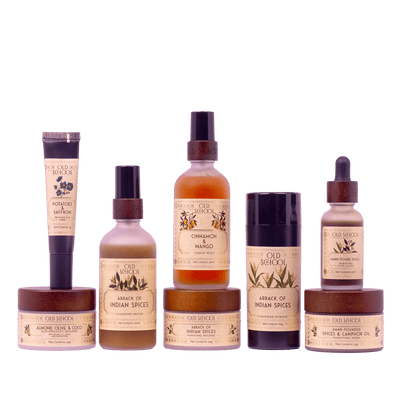
If you are looking for an easy way to experience the benefits of honey for your skin, Old School Rituals’ honey-based skincare regimen brings natural face wash and masks. Each blends honey with other natural goodness like turmeric, multani mitti, sandalwood, and spices such as camphor, bringing out the best effects for your skin.
Step 1: Cleanse With Fresh Water
● Begin by applying a small amount of honey face cleanser to your dampened face and neck. Gently massage it in circular motions to remove surface dirt, oil, sunscreen, or makeup residue.
● After cleansing, rinse your face and neck with fresh or lukewarm water.
● Gently pat dry, leaving the skin slightly damp. This helps the mask spread smoothly and sit comfortably on the skin.

Step 2: Apply the Mask Evenly
● Take a small amount of the honey and turmeric face mask and dot it across your forehead, cheeks, nose, chin, and neck.
● Using clean fingertips, spread the mask in gentle upward and outward strokes:
● Move from the centre of the face towards the hairline
● Keep the layer thin and even
● Avoid the delicate eye and lip area
Step 3: Let the Mask on for 15-20 mins and Rinse Gently
● Splash lukewarm water onto your face to soften the mask first
● Use gentle circular motions to loosen it
● Rinse thoroughly without scrubbing
● Pat your skin dry with a soft towel; avoid rubbing
Which Type of Honey Is Best for Skin?
Honey comes in many varieties, each with unique properties that can support different skincare needs. Here are some of the most commonly used honey types for skincare:
Raw Honey vs Processed Honey
Raw honey (often called wild honey) is closest to nature, taken straight from the comb and lightly strained, so it keeps its natural enzymes, pollen, and propolis that help soothe, repair, and balance the skin.
Processed honey is heavily filtered and heat-treated for a clear look and longer shelf life, which removes most enzymes and nutrients, leaving it with far fewer skin benefits.
Types of Honey Popularly Used in Skincare
Manuka Honey
● Colour & Taste: Dark amber with a rich, slightly bitter taste.
● Skin Benefits: Known for its potent antibacterial properties, making it effective for treating acne and promoting the healing of wounds and skin conditions.
● Best For: Reducing inflammation and irritation, and ideal for troubled skin that needs deep healing.
Kanuka Honey
● Colour & Taste: Lighter in colour and milder in taste compared to Manuka.
● Skin Benefits: Contains antibacterial and anti-inflammatory properties, but is gentler on the skin, making it ideal for sensitive or reactive skin.
● Best For: Soothing irritated skin, promoting healing, and providing relief for sensitive skin.
Acacia Honey
● Colour & Taste: Light and clear with a mild, floral taste.
● Skin Benefits: Highly hydrating and packed with antioxidants, making it perfect for moisturising and nourishing the skin.
● Best For: Dry or sensitive skin, providing gentle hydration and moisture retention.

Who Should Avoid Using Honey for Skin?
While honey is generally safe for most skin types, there are a few exceptions. Consider avoiding honey if you:
● Have a Honey Allergy:If you're allergic to bees or honey, avoid using it on your skin to prevent allergic reactions like itching, redness, or swelling.
● Have Sensitive Skin to Sugars:Individuals with overly sensitive skin to sugars or prone to irritation may experience adverse reactions when using honey.
● Suffer from Severe Acne:Honey’s natural antibacterial properties may be too intense for those with rosacea or severe acne. It’s best to consult a dermatologist before using honey in these cases.
● Have Open Wounds or Cuts:While honey can help with minor skin wounds, avoid using it on large, open wounds without medical guidance.
FAQs
Are there any side effects of applying honey on face?
Yes, honey is gentle enough for regular use. Daily use works best when applied to damp skin and rinsed thoroughly.
Can I leave honey on my face overnight?
Yes, there are no side effects or harm in leaving honey on your face overnight. But it can feel sticky and uneasy. From 15 minutes to 1 hour is enough before rinsing off the mask for your skin to absorb the benefits of honey when using it as a mask.
Should raw honey be preferred over processed honey for skincare?
Yes, raw honey is preferred for skincare because it retains its natural enzymes and beneficial compounds that enhance cleansing, hydration, and repair.
Is honey good to put on open wounds?
Yes, raw honey is effective for treating open wounds because its low pH and high sugar content create an antibacterial environment that promotes healing. However, you should avoid using typical grocery store honey, as it may contain bacterial spores or contaminants that could cause an infection.
Does honey help reduce acne?
Honey can reduce acne due to its natural antibacterial and anti-inflammatory properties, which help soothe redness and inhibit the growth of blemish-causing bacteria. It is best used as a supplemental treatment to calm skin, as it can provide relief but is not a cure-all for severe, painful acne.


