


 +91 9951402666














If skincare had a list of ingredients that never seem to go out of style, Vitamin C would definitely make the cut. But beyond being a skincare favourite, what does it actually do for your skin?
Known for its antioxidant properties, collagen support, and ability to promote a brighter, more even-looking complexion, Vitamin C can fit into a routine without making things unnecessarily complicated. In this guide, we’ll break down the key Vitamin C uses for skin, its benefits, how to add it to your routine, and what a Vitamin C deficiency may look like.
How Does Vitamin C Help the Skin?
Vitamin C is an antioxidant that helps neutralise free radicals and supports the skin against environmental stress. It also plays a role in collagen production, which helps maintain the skin’s natural structure.
Some common Vitamin C uses for skin include:
- Supporting brighter-looking skin: Vitamin C is often used in skincare routines focused on dullness and uneven-looking tone.
- Providing antioxidant support: It helps neutralise free radicals and supports the skin against everyday environmental stress.
- Supporting collagen production: Vitamin C contributes to collagen formation, which helps maintain the skin’s structure.
- Supporting an even-looking complexion: It is commonly included in routines focused on dullness and uneven-looking skin tone.
What Are the Benefits of Vitamin C for Skin?

1. Provides Antioxidant Support
Daily exposure to factors like pollution and sunlight can contribute to oxidative stress. Vitamin C helps provide antioxidant support, which is why it is often included in daily skincare routines.
2. Supports Natural Collagen Production

Vitamin C plays an important role in collagen synthesis. Including it in a skincare routine can support the skin’s natural collagen production and help maintain its structure.
3. Supports a More Even-Looking Complexion
Vitamin C is often included in skincare products focused on brightness and uneven-looking skin tone. With consistent use, it may help support a more balanced-looking complexion.
4. Fits Into Different Skincare Routines
Vitamin C is available in different skincare formats, making it possible to choose a product based on your preferences and routine.
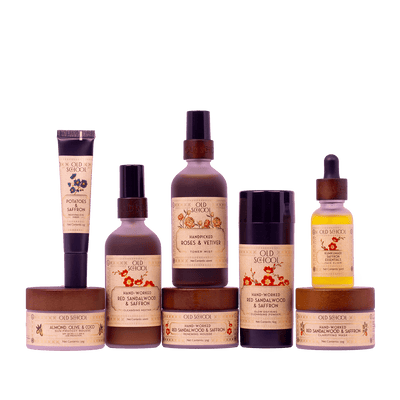
For example, the Vitamin C face wash is a cleansing Ubtan made with orange peel powder, orange peel oil and traditional ingredients like rice and dal powders. It offers a simple way to include orange-based ingredients as part of a cleansing routine.
How to Use Vitamin C in Your Daily Skin Routine
A simple routine can make it easier to use skincare products consistently. Here is how you can include Vitamin C:
1. Start with cleansing: Cleanse your face to remove dirt and excess oil. A Vitamin C face wash can help include Vitamin C-rich ingredients in your cleansing routine.
2. Apply your Vitamin C product: Apply your Vitamin C serum or treatment as directed. Leave-on Vitamin C products are generally applied after cleansing.
3. Follow with moisturiser: Moisturiser helps maintain hydration and supports a comfortable skincare routine.
4. Apply sunscreen during the day: Sunscreen should be the final step of your morning skincare routine.

The Coconut oil SPF is an SPF 36 sun-protect mousse containing coconut, almond and olive oils, Yashad Bhasma and ascorbic acid. The Vitamin C under eye cream can also be considered as part of a skincare routine focused on caring for the delicate eye area.
Who Can Use Vitamin C?
Vitamin C can be included in many skincare routines, but the right frequency depends on your skin type, the product formulation and how your skin responds to the ingredient.
Different skin types may have different preferences when it comes to skincare textures and formulations. Choosing a Vitamin C product that feels comfortable on your skin can make it easier to maintain a consistent routine.
Vitamin C for Different Skin Types
For oily or combination skin: Lightweight Vitamin C formulations, such as serums with a thinner texture, may feel more comfortable for skin that tends to feel greasy or shiny. These formulations can also layer easily with other lightweight skincare products.
For dry skin: People with dry skin may prefer Vitamin C products with more hydrating textures that can be used alongside a moisturiser. Adding hydration-focused products to the routine can help maintain a comfortable skin feel.
For sensitive skin: If your skin is more sensitive, it can be helpful to introduce Vitamin C slowly and choose a formulation that feels gentle on the skin. Starting with less frequent use allows you to observe how your skin responds.
Start Slowly If You Are New to Vitamin C
If you are new to Vitamin C, start with one product and observe how your skin responds before adding other active ingredients. Introducing one product at a time makes it easier to understand how your skin reacts and helps you build a routine that works for you.
Avoid making multiple changes to your skincare routine at once, as it can become difficult to identify which product is suitable for your skin. Once your skin is comfortable with Vitamin C, you can continue using it as part of a simple routine based on your skincare needs.
Skin-Related Symptoms of Vitamin C Deficiency
Vitamin C used in skincare and Vitamin C obtained through diet serve different purposes. While topical Vitamin C products can be included in a skincare routine, they do not replace the body’s dietary Vitamin C requirements.
Vitamin C supports several functions in the body, including collagen formation and skin health. When the body does not get enough Vitamin C, certain signs may appear over time, depending on the level of deficiency and overall health.
Signs associated with Vitamin C deficiency may include:
- Easy bruising: Vitamin C supports collagen production, which helps maintain the strength of skin and blood vessels. A deficiency may affect this support and can be associated with increased bruising.
- Small red or purple spots on the skin: Tiny red or purple spots may appear when small blood vessels become more fragile.
- Slower wound healing: Vitamin C contributes to collagen formation, which is involved in the skin’s natural repair process. Lower levels of Vitamin C may affect how quickly the body repairs damaged skin.
- Changes related to collagen formation: Since Vitamin C supports collagen production, a deficiency may impact processes that rely on collagen, which plays a role in maintaining the skin’s structure and strength.
Conclusion
Vitamin C for skin can be a useful addition to a simple skincare routine when you are looking for antioxidant support, collagen support and a brighter-looking complexion.
Instead of adding too many products at once, focus on choosing ingredients and formulations that suit your skin and using them consistently. A balanced routine with cleansing, moisturising and sunscreen can help you maintain healthy-looking skin over time.
FAQs
Can Vitamin C be used on the skin every day?
Many Vitamin C products are suitable for regular use, but the frequency depends on the formulation and how your skin responds.
Is Vitamin C better in the morning or at night?
Vitamin C can be used at different times depending on the product. Many people prefer using it in the morning followed by sunscreen.
Can beginners use Vitamin C?
Yes, beginners can include Vitamin C in their routine. Start with one product and introduce it gradually.
Should Vitamin C be applied before or after moisturiser?
Most Vitamin C serums are applied after cleansing and before moisturiser. Always follow the instructions provided with your product.
Can Vitamin C replace sunscreen?
No. Vitamin C can support your skincare routine, but it cannot replace sunscreen.
How long does Vitamin C take to show visible changes?
Visible changes vary depending on the product, formulation, skin type and consistency of use.


