


 +91 9951402666


You try oils or moisturisers for dry patches, but they make oily areas feel even stickier. You cleanse repeatedly to control oil, and your skin ends up tight and itchy. Combination skin is like having two skin types at once. Figuring out the right skin care routine for combination skin can feel tricky.
In this blog, we’ll help you to understand combination skin type better and guide you through a natural, step-by-step skin care routine to balance excess oil cleansing and moisturising the dry patches at once.
Understanding Combination Skin
Combination skin means having two or more different skin textures on your face at once, signs of multiple skin types simultaneously.
Common Signs and Characteristics
● Oiliness: You may notice shine and enlarged pores, specifically around your T-zone (the forehead, nose, and chin).
● Dryness: The rest of the face feels the exact opposite. The cheeks may feel tight, rough, or itchy.
● Occasional Acne: Because of the oil production, acne clusters often appear on the chin or forehead, while the rest of the face remains clear.
Common Reasons for Combination Skin-Type
● Sebum imbalance: Sebum is the skin’s natural oil. In combination skin, sebaceous glands are overactive in the T-zone, producing excess oil.
● Uneven hydration: Dry areas lack sufficient water and lipids, leading to tightness or flaking, while oily areas may still be dehydrated underneath.
● Genetics: Skin type is largely inherited. If combination skin runs in the family, you’re more likely to experience it.
● Hormonal fluctuations: Hormones influence oil production. Changes during stress, menstrual cycles, or lifestyle shifts can intensify oiliness in certain zones.
● Environmental factors: Weather, pollution, and indoor air conditioning can dry out cheeks while stimulating oil production elsewhere.
Step-by-Step Daily Skin Care Routine for Combination Skin

Step 1: Cleansing (Morning & Night)
Cleansing combination skin serves two important purposes: removing excess sebum from oil-prone areas and remaining gentle enough for drier zones prone to moisture loss.
How to use:
● Dampen your face with lukewarm water.
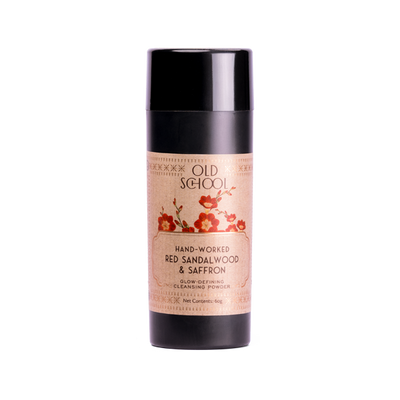
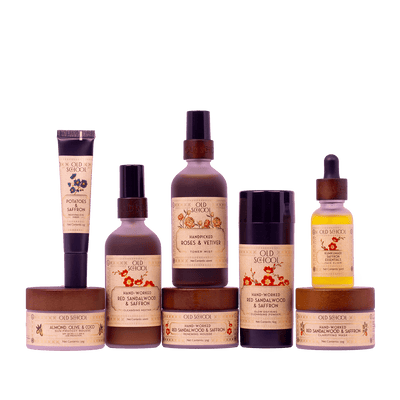
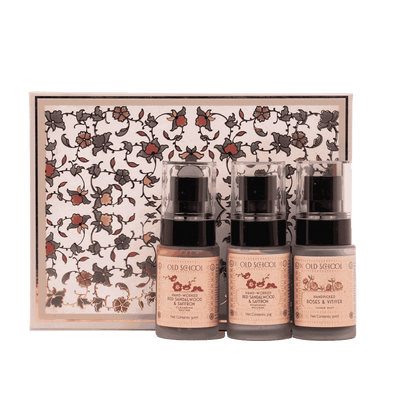
● Take a small amount of red sandalwood face wash with saffron and massage gently for 30–40 seconds.
● Use light circular motions, focusing on the T-zone (forehead, nose, and chin).
● Rinse thoroughly and pat dry with a soft towel.
Key Ingredients:
● Red Sandalwood – Improves skin tone and reduces acne spots.
● Licorice – Lightens dark spots and brightens the skin.
● Triphala – Clears clogged pores.
● Saffron – Softens and hydrates the skin.
Step 2: Toning
Combination skin typically has uneven acidic levels. A good toner helps reset the skin’s pH, protecting it from stressors and inflammation, promoting a balanced complexion.
How to use:
● While your face is still slightly damp from cleansing, spray the Roses and Vetiver Toner mist evenly.
● Allow it to absorb naturally; do not rub or wipe.
Key Ingredients:
● Dehydrated Rose – Soothes and calms the skin.
● Vetiver – Reduces the appearance of scars and blemishes.
● Tulasi – Comforts stressed or reactive areas.
Step 3: Serum Treatment (For Night Care Routine Only)
Serums are lightweight and fast-absorbing, making them ideal for combination skin. They hydrate dry areas without clogging pores or leaving greasy residue.
How to use:
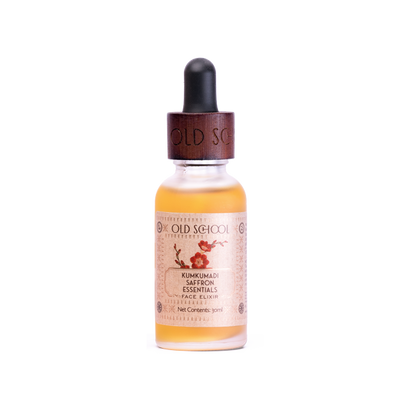
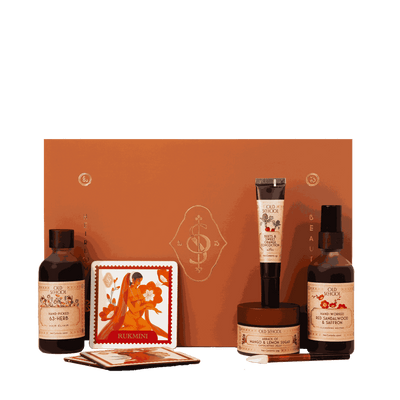
● Apply 2–3 drops of Kumkumadi Tailam onto clean, toned skin.
● Use small circular motions around the nose and chin, then move outward to the cheeks with upward strokes.
● Let it absorb naturally, avoiding rubbing.
(The Kumkumadi facial oil is best used at night because your skin naturally repairs and regenerates during sleep, allowing the serum to absorb deeper and work more effectively without sun exposure.)
Key Ingredients:
● Almond Oil – Hydrates and smooths the skin.
● Saffron – Enhances tone and radiance.
● Cow Milk – Supports gentle exfoliation and improves dark spots.
● 32-Herb Extract Blend – Addresses skin impurities while maintaining balance.

Step 4: Moisturising
Moisturising is essential for combination skin to prevent excess oil production and to hydrate dry patches. It helps balance skin hydration and reduces "rebound oiliness."
How to use:
● Apply a thin, even layer of Red Sandalwood & Saffron Moisturising Cream over the face.
● Use gentle upward strokes or press lightly into the skin.
● Apply slightly more on dry cheeks and a lighter layer on the T-zone.
Key Ingredients:
● Almond Oil – Hydrates the skin.
● Cow Milk – Supports gentle exfoliation for peeling dry skin.
Step 5: Sunscreen Protection
Sun exposure can stimulate excess oil production. Daily sun protection is crucial for maintaining balance in combination skin.
How to use:
● Apply Almond & Olive Oil Sunscreen generously to cover your face and neck.
● Spread gently as the final step in your morning routine.
● Reapply every 2–3 hours when outdoors.
Key Ingredients:
● Yashad Bhasma – Natural UV ray blocker.
● Almond & Olive Oils – Help replenish moisture and prevent dehydration.
Weekly Skincare Additions
Exfoliation

For best results, exfoliate once or twice a week using the Red Sandalwood & Saffron Clarifying Mask. This is important for removing dead skin cells and sebum while clearing away peeling dry skin particles, more effectively than cleansing.
How to Exfoliate:
1. Start with a clean face and dampen your skin with lukewarm water.
2. Take a small amount of scrub and apply it gently to damp skin.
3. Massage softly in small circular motions for about 20–30 seconds.
4. Rinse thoroughly with lukewarm water and pat dry with a soft towel.
5. Follow up with your regular skincare routine.
Key Ingredients & Their Benefits
● Saffron – Improves skin tone, smoothens texture, and adds a natural glow.
● Ashwagandha – Aids in skin regeneration and strengthens the skin’s resilience.
● Sandalwood – Reduces dryness and replenishes the skin.
● Kaolin Clay – Gently draws out impurities and excess oil without over-drying.
● Aloe Vera – Soothes, hydrates, and calms the skin after exfoliation.
Lifestyle & Diet Tips for Combination Skin
Here are a few lifestyle habits that must complement your skin care routine for combination skin for the best results-
1. Maintain a Consistent Sleep Schedule for Healthy Skin
Get regular sleep to support your skin's natural repair process and regulate oil production for a clearer complexion.
Manage Stress to Control Excess Sebum Production
Keep stress levels in check, as prolonged stress can trigger an overproduction of oil and increase skin sensitivity.
Stay Hydrated to Prevent Oil Overproduction
Drink plenty of water throughout the day to prevent dehydration, which can cause your skin to produce excess oil.
Include Water-Rich Foods for Balanced Skin Hydration
Incorporate foods with high water content into your diet to support optimal skin hydration and oil balance.
Avoid Touching Your Face to Prevent Oil Build-Up
Minimize touching your face, especially the T-zone, to reduce the spread of oils and bacteria that can lead to breakouts.
Keep Pillowcases, Phones, and Makeup Tools Clean
Regularly clean your pillowcases, phone screens, and makeup tools to prevent clogged pores and skin congestion.
Adjust Skin Care Habits Seasonally for Optimal Care
Modify your skincare routine according to seasonal changes, like humidity, cold weather, or indoor air exposure.
When to See a Dermatologist
● Painful or cystic acne that doesn’t respond to gentle care
● Persistent redness, rashes, or burning sensations
● Increasing sensitivity despite a minimal routine
● Excessive oiliness or dryness that worsens even with regular moisturising
FAQs
What ingredients should I avoid in a skin care routine for combination skin?
Avoid harsh alcohols and strong sulphates that over-dry the skin, and very heavy, pore-clogging (comedogenic) creams or oils like coconut oil, cocoa butter, and wheat germ oil, etc.
Why does my skin feel oily but dehydrated?
Oiliness is caused by excess sebum, while dehydration means the skin lacks water. When skin is dehydrated, it may produce more oil to compensate, which is why it can look shiny yet feel tight at the same time.
How often should combination skin be exfoliated?
Once or twice a week is enough. Over-exfoliating can disrupt the skin barrier and worsen both oiliness and dryness.
Can climate or seasonal changes affect combination skin?
Yes. Humid weather can increase oiliness, while cold or air-conditioned environments can make dry areas feel tighter and more uncomfortable.


