


 +91 9951402666












Have you ever noticed tiny white bumps on your nose, chin or forehead that seem to stay no matter how often you wash your face? You might feel tempted to squeeze them, only to end up with redness and a bump that still hasn’t cleared.
These stubborn spots can make you question your skincare routine, especially when you’re already cleansing regularly. If you’re wondering how to remove white heads from your face, gentle care and patience are a sensible starting point. This guide explains how to reduce whiteheads on face through consistent habits, suitable skincare and an understanding of what causes clogged pores.
What Causes Whiteheads on Your Face?
Whiteheads form when oil and dead skin cells clog a closed pore, creating small white or skin-coloured bumps. Unlike blackheads, the trapped material stays covered and does not darken.
Several factors can contribute to this buildup:
Hormonal changes:
Fluctuations during puberty, menstrual cycles or other hormonal changes can increase oil production, making pores more likely to clog.
Naturally oily skin:
Excess sebum can mix with dead skin cells and collect inside pores.
Dead skin buildup:
When dead skin cells do not shed effectively, they can accumulate and contribute to blockages.
Skincare and makeup products:
Some products can clog pores, particularly if they are unsuitable for your skin.
Friction and trapped sweat:
Tight masks, helmets or other items that rub against your face can contribute to breakouts.
How to Remove White Heads From Face Safely?
The first step in understanding how to get rid of whiteheads on face is recognising that harder scrubbing does not solve a blocked pore. Your routine should address buildup gently while keeping your skin comfortable.
Cleanse Your Face Without Over-Drying Skin
Cleanse your face twice a day using lukewarm water and your fingertips, choosing a cleanser that leaves your skin comfortable rather than tight. For oily skin, consider the salicylic acid face cleanser, following its usage instructions. The brand advises against using it on sensitive skin.

Use Gentle Exfoliation to Address Dead Skin Buildup
Gentle exfoliation can help remove dead skin cells that contribute to clogged pores. If you use a lemon & sugar scrub, apply it with light pressure and avoid irritated areas. Adjust the frequency to your skin’s tolerance, especially if your cleanser already contains an exfoliating ingredient.
Avoid Squeezing Whiteheads to Prevent Skin Damage
Resist the urge to squeeze or pop whiteheads, as this can irritate the skin and increase the risk of inflammation or scarring. Instead, allow your skincare routine time to address clogged pores gradually. If whiteheads remain persistent, consider consulting a dermatologist for safe removal options.
Keep Skin Hydrated to Support Balance
Oily skin still needs moisture, particularly when cleansing or exfoliation leaves it feeling dry. Choose a moisturiser that hydrates without feeling heavy or clogging pores. A jojoba oil moisturizer with Indian spices is an option to consider if it suits your skin, following the product’s application guidance.
How to Reduce Whiteheads on the Face Naturally?
A gentle approach begins with suitable products and steady habits. Natural ingredients are not automatically effective against whiteheads or suitable for every skin type.
Choose Ingredients That Suit Your Skin:
Choose ingredients that help manage excess oil while keeping your skin comfortable. A niacinamide serum may complement your routine, but introduce it gradually and watch for irritation. Follow the product’s usage instructions and its advice against use on sensitive skin.
Follow a Consistent Skincare Ritual:
Your approach to how to reduce whiteheads on the face should centre on a simple routine you can maintain. Give products time to work instead of changing them every week, and introduce one new product at a time so you can assess how your skin responds.
Protect Skin From Daily Environmental Stress:
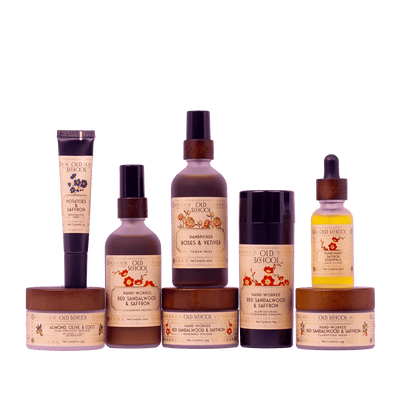
Cleanse gently after sweating, and wear sunscreen daily to support your skincare routine. If you include a red sandalwood mask. Follow its recommended frequency and reduce use if your skin feels dry or tight. Treat it as an optional step rather than a quick fix for blocked pores.
How Do You Prevent Whiteheads From Returning?
How do you prevent whiteheads once your skin clears? Keep your routine simple with consistent cleansing, suitable products and clean skincare tools.
Remove Makeup and Sunscreen Before Sleeping:
Remove makeup and sunscreen before bed with a suitable cleanser. An additional makeup remover or cleansing balm may help with products that your regular cleanser does not remove thoroughly.
Avoid Products That Clog Your Pores:
Look for products labelled “non-comedogenic,” which are formulated to be less likely to clog pores. Pay attention to how your skin responds, and keep hair oils or styling products away from areas prone to bumps.
Maintain Clean Skincare Tools and Towels:
Clean makeup brushes regularly and replace used face towels and pillowcases. These items can collect product residue and oil, so keeping them clean supports your daily skincare habits.

Common Mistakes That Make Whiteheads Worse
Everyday skincare habits can make whiteheads harder to manage. Too many treatments, harsh cleansing and frequent picking can irritate your skin. Here are some common mistakes to avoid.
Too many treatments:
Frequent scrubbing or layering exfoliating products can irritate your skin.
Hot water and rough clothes:
Both can leave your skin feeling dry, tight or uncomfortable.
Drying toners:
Products that cause stinging or tightness may be unsuitable for your routine.
Constant picking or squeezing:
Repeated pressure can damage the skin and leave lingering marks.
How to Get Rid of Whiteheads on Face With a Simple Routine
Morning:
Start with a honey face cleanser, massaging gently with your fingertips before rinsing with lukewarm water. Follow with a serum suited to your skin, then apply moisturiser. Finish with sunscreen before heading outdoors.
Night:
Remove makeup and sunscreen thoroughly, then cleanse gently to wash away the day’s buildup. Apply your serum and moisturiser, keeping the routine simple and avoiding extra exfoliating products if your skin feels dry or irritated.
Weekly:
Include exfoliation and a clay pack only as often as your skin comfortably tolerates, following each product’s instructions. Use them on separate evenings to limit irritation, and keep the remaining nights focused on cleansing and moisturising. Reduce the frequency if you notice redness, tightness or stinging.
Conclusion
Whiteheads can be stubborn, but a gentle, consistent skincare routine is a sensible starting point. The answer to how to remove white heads from the face depends on your skin’s needs and how it responds to the products you use.
Long-term care also brings another question: how do you prevent whiteheads while keeping your skin comfortable? A manageable routine, gradual product changes and attention to irritation can guide your choices. Persistent or inflamed bumps deserve a dermatologist’s attention for advice tailored to your skin.
FAQs
How Can You Tell Whiteheads Apart From Milia?
Whiteheads are clogged pores containing oil and dead skin cells, while milia are tiny cysts containing keratin. Both can look like white bumps, so a dermatologist can confirm the difference if you’re unsure.
Can Whiteheads Occur Without Other Types of Acne?
Whiteheads can appear without red pimples or deeper acne lesions. This pattern is called comedonal acne, where blocked pores are the main concern.
Can You Wear Makeup While Treating Whiteheads?
Makeup can remain part of your routine if you choose products labelled “non-comedogenic” or “won’t clog pores.” Remove it before sleeping and stop using products that seem to trigger new bumps.
Can a Dermatologist Extract Persistent Whiteheads?
A dermatologist can remove suitable whiteheads through professional extraction using sterile instruments. Extraction may help with existing bumps, while ongoing treatment addresses new ones.
What Ingredients Help Prevent Whiteheads?
If you’re asking “how do you prevent whiteheads?”, salicylic acid is an ingredient that can help address clogged pores. Clay may absorb surface oil, but it should not be treated as a substitute for targeted acne care.


