


 +91 9951402666




You probably know sunscreen is "important". But do you actually know why?
Most people skip it. They think it's only for beach days or that their moisturizer with SPF is enough. The truth? Skipping sunscreen is one of the biggest skin care mistakes you can make.
The benefits of sunscreen for your face go far beyond preventing a tan. From fighting skin cancer to keeping your skin looking younger, SPF is the one step your routine absolutely cannot skip.
Let's break it all down.
Why is SPF Important for Your Skin?
What SPF actually means
Your skin faces UV radiation every single day, indoors or out, sunny or cloudy. SPF, or Sun Protection Factor, indicates how well a sunscreen protects your skin from the UV rays that cause visible damage.
There are two types of UV rays you need to know about:
- UVB rays cause sunburn and directly damage skin cells, increasing cancer risk
- UVA rays penetrate deeper, accelerating ageing and triggering pigmentation issues
A broad-spectrum sunscreen cream protects against both, helping reduce surface damage as well as deeper, long-term effects on your skin.
Understanding SPF ratings
- Common options include SPF 15, 30, 50, and 100
- Dermatologists generally recommend SPF 30 or above for daily use
Why daily use matters
Sun exposure adds up through the day, even from short or indirect exposure, like while driving or sitting near windows.
Top Benefits of Sunscreen for Face You Should Know

The benefits of SPF go far beyond just preventing sunburn, to protection from long-term damage like premature ageing, pigmentation, redness, and moisture loss to keep it calm, healthy, and resilient.
Reduces the Chances of Skin Cancer by Shielding Against UV Rays
UV rays don't just tan your skin, over time, they quietly damage the DNA inside your skin cells, and that damage can turn cancerous.
The Skin Cancer Foundation found that using SPF 15 daily can cut your risk of squamous cell carcinoma (a common form of skin cancer) by 40% and melanoma (the most dangerous kind) by 50%.
Guards Against Sunburns & Sun Damage
Sunburn shows up as redness, pain, or blisters and happens when UV rays damage skin cells, causing inflammation and weakening the skin barrier.
Sunscreen absorbs or deflects UV before they get deep enough to cause that injury, keeping your skin structurally intact and resilient.
Reduces Redness and Irritation from Sun Exposure
Sensitive skin can react to even mild sun exposure, causing redness, blotchiness, or flare-ups. By reducing this UV-triggered stress, it helps keep the skin calm and less reactive.
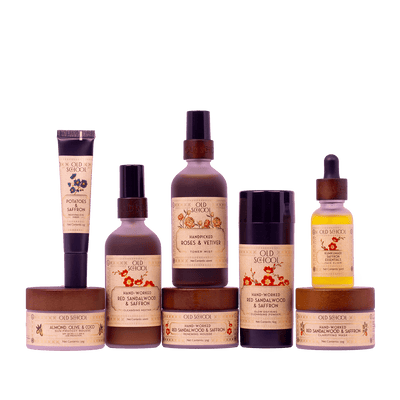
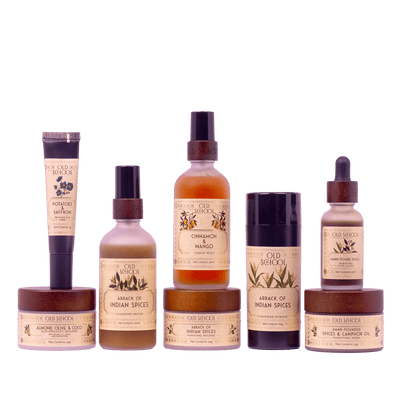
The Aloe vera BB cream combines SPF with post-sun exposure benefits. Aloe vera is known for its soothing and anti-inflammatory properties, which help cool down heated skin, reduce redness, and ease irritation after sun exposure.
Prevents Premature Ageing
Sun exposure is a major cause of wrinkles, fine lines, and sagging. UV rays break down collagen and elastin, which are responsible for firm skin.
Daily SPF essentially pauses that clock, keeping your skin's structure intact so it stays plump and youthful for much longer.
Avoids Tanning, Hyperpigmentation
When UV rays hit your skin, it produces more melanin to protect itself. When this builds up in certain areas, it leads to dark spots, uneven tone, and stubborn patches like melasma (stubborn brown or greyish patches, often on the face) that don't fade easily.
SPF 30 filters about 97% of UVB rays, SPF 50 around 98%, meaning far fewer UV signals reach your skin. Melanin production stays steady, tanning and hyperpigmentation stays under control.
Helps Control Excess Sebum and Oiliness
Sun exposure can stress your skin and increase oil production, which often leads to clogged pores and breakouts. Sunscreen helps reduce this stress and keeps sebum levels more balanced.
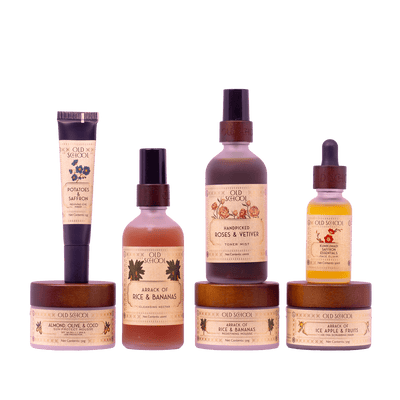
The Almond Olive Coco SPF does this well. It contains Yashad Bhasma, a zinc-based ingredient known to help control excess oil while keeping the skin calm.
Prevents Dryness & Moisture Loss
Sun exposure weakens the outer protective layer (skin barrier). Once this barrier is compromised, moisture escapes more easily, leading to dryness, tightness, and flakiness.
SPF helps prevent dehydration in the first place by protecting the skin barrier from UV damage. Additionally, nourishing ingredients in the formula can act as moisturisers, keeping the skin soft and comfortable.
Common Sunscreen Mistakes You Should Avoid

Even if you're using sunscreen, you might not be getting the full benefits of SPF if you're making these common mistakes:
- Applying too little. Most people use far less sunscreen than needed. For your face, use a generous amount, about a quarter-sized dollop every application.
- Skipping reapplication. Sunscreen breaks down over time, especially with sweat or touch. Reapply every two hours, especially after swimming or sweating.
- Only use it on sunny days. UVA rays penetrate clouds and glass. Your skin gets UV exposure on overcast days and even while sitting near a window indoors.
- Relying on makeup SPF. Makeup is not enough to protect your skin, even if it has a high SPF. Swap it out for a natural sunscreen and pair it with natural face care products.
- Not applying before going out. Always apply sunscreen at least 15-20 minutes before stepping outside to allow it to absorb and activate properly.
Conclusion
Every minute you spend in the sun without protection is a minute your skin is quietly accumulating visible damage that can show up years later. The advantages of sunscreen are not cosmetic but dermatologist-backed to reduce cancer risk, slow premature ageing, prevent pigmentation, and keep your skin barrier genuinely healthy. So wear it on cloudy days. Wear it indoors. Wear it even when you're only stepping out for ten minutes.
FAQs
Does SPF in makeup or moisturiser count as real sun protection?
No. SPF in makeup or moisturiser is usually less reliable and often not enough for proper sun protection. A dermatologically tested sunscreen is the better choice. Added primer or tint benefits are useful, but only if the formula is built mainly as a sunscreen.
Can sunscreen fix existing sun damage or only prevent new damage?
Sunscreen is mainly meant to prevent new damage by blocking UV rays before they can harm the skin. But nourishing ingredients like aloe vera, almond oil, and olive oil can also calm inflammation, restore moisture, and help repair sun damage over time.
What does the SPF number actually measure?
SPF tells you how much longer your skin is protected from burning in the sun compared to bare skin. SPF 30 means your skin takes about 30 times longer to burn, while SPF 30 blocks about 97% of UVB rays and SPF 50 blocks about 98%.
What Should You Check Before Choosing a Sunscreen?
Look for three things: broad-spectrum protection to guard against both UVA and UVB rays, SPF 30 to 50 for daily use, and mineral filters like zinc oxide or titanium dioxide that stay on top of the skin to deflect UV rays, scientifically proven to be safe.
At what age should you start using sunscreen?
It's ideal to start using sunscreen from the teenage years, when regular sun exposure begins increasing, and long-term skin damage starts adding up.


