


 +91 9951402666






Your skin feels fine after cleansing. Moisturised. But the tone stays unchanged. The texture stays rough. Nothing addresses the buildup sitting underneath.
Dead skin cells accumulate faster than daily routines clear them. Pores stay blocked. Even good products cannot reach skin that has not been properly prepared. The result is dullness and unevenness that persists.
The benefits of rice flour for skin have addressed exactly this in Indian beauty rituals for generations. Fine textured and gentle, it helps the skin shed what it does not need and gradually reveal a cleaner, more even surface. This page covers what it does, how to apply it, and how to use it safely.
What Are the Benefits of Rice Flour for Skin?
Gentle Exfoliation That Stays Safe
Rice flour is fine enough to loosen dead skin cells without micro-abrasion. This makes it accessible even for sensitive skin types. After a few consistent uses, surface texture feels noticeably smoother and congestion around the nose and forehead visibly reduces.
Gradual Brightening Over Time
Rice contains natural starches and ferulic acid that support a more even complexion with regular use. The benefits of this become visible at around 3 to 4 weeks. Dullness fades. Post-blemish marks appear less prominent. The skin looks clearer without being stripped.
Sebum Absorption for Oily Skin
Rice flour draws out excess sebum while preserving the moisture balance underneath. For oily and combination skin in humid climates, this balance matters. It reduces shine without dehydrating, which most heavy mattifying products fail to do.

Supports a Cleaner, More Prepared Base
When skin is regularly cleared of buildup, other products absorb better. The use of rice flour for skin works as preparation, not just treatment. It clears the surface so moisturisers and serums applied afterward can actually do their job.
How to Apply Rice Flour on Your Face
Knowing how to use rice flour for face comes down to a few simple methods that fit into an existing routine without much extra effort.
As a Daily Cleansing Paste
Mix rice flour with raw milk or water into a soft paste and use it to cleanse your face in gentle circular motions. It removes surface impurities without disrupting pH. Skin feels balanced after, not tight.
For a formulated version, this rice face wash combines the use of rice flour for skin with three indigenous rice varieties and banana extract in a dermatologically tested face wash designed to cleanse and lock in moisture together.
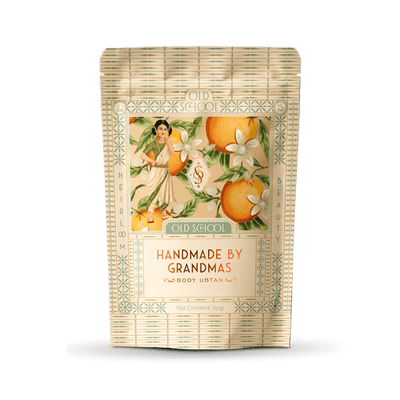
The same grain-based cleansing logic extends naturally to the body. Ubtan's built on rice and dal powders have been used for full-body brightening and exfoliation in Indian households for generations. The Cinnamon & Oranges Bath Ubtan carries this tradition forward, combining that traditional base with cinnamon and orange to cleanse, brighten, and leave skin feeling balanced from head to toe.

As a Brightening Face Pack
Rice flour with a pinch of turmeric and water is a traditional approach to tone support. Apply for 12 to 15 minutes and rinse. Results are gradual and cumulative, so consistency matters more than how often you reach for it in one sitting.
For Oily and Acne-Prone Skin
Mix 2 tablespoons rice flour, 1 tablespoon multani mitti, and enough rose water to form a paste. Apply and leave for 12 minutes. Rinse with cool water. This draws out excess oil, refines pore appearance, and calms surface congestion.
For Dry and Normal Skin
Combine 2 tablespoons rice flour with 1 tablespoon raw honey and a little milk. Leave for 10 minutes and rinse. Honey draws moisture in while the flour exfoliates, helping brighten the skin without leaving it dry.
Follow any rice flour mask with a nourishing moisturiser. This rice moisturizer, formulated with three indigenous rice varieties and vitamin-E rich olive oil, works well as a post-mask step to seal hydration and support skin recovery.
How Often Should You Use Rice Flour on Your Face?
For most skin types, 2 to 3 times a week is enough to see steady results without overdoing it. Daily cleansing pastes that are mixed light and used gently can be an exception, but masks and scrubs need that recovery time in between. Skin needs time to repair and rebuild between exfoliation sessions, and pushing past this frequency tends to do more harm than good.
If you have very sensitive or reactive skin, starting with once a week and observing how your skin responds is a safer approach before increasing frequency.
Precautions to Take Before Applying Rice Flour on Your Face
● Patch test first. Apply a small amount to the inner wrist and wait 24 hours before using it on the full face.
● Use finely milled flour only. Coarse rice flour has jagged particles that irritate facial skin. Fine-ground is safer and more effective.
● Limit to 2 to 3 times a week. More frequent use weakens the skin barrier and leads to increased sensitivity.
● Skip over active breakouts. Physical exfoliation on inflamed skin worsens irritation and slows healing.
● Rinse completely. Residue left on the skin settles into pores with repeated use.

Conclusion
Rice flour's role in skincare is not a recent discovery. It has been part of consistent, low-intervention care across Indian households for generations, valued for what it does steadily rather than dramatically. Building a routine around ingredients that work with your skin's natural balance takes time, but the results hold longer than those built on quick fixes.
FAQs
Can rice flour reduce tan on the face?
Rice flour's brightening properties can help reduce the appearance of tan over consistent use as a face pack. Pairing it with turmeric in your mixture may support more visible results. Outcomes vary with skin type and ongoing sun exposure.
How long should a rice flour mask stay on the face?
10 to 15 minutes is the recommended window. Leaving it longer, especially in dry environments, can cause the paste to draw moisture from the skin rather than simply exfoliating. Rinse as soon as the mask feels fully set.
Is rice flour safe for sensitive skin?
Yes. Because rice flour is free from synthetic fragrances and chemical activities, most sensitive skin types tolerate it well. A patch test before the first use is still recommended, as reactions to any new ingredient, even natural ones, can vary.
Can I mix rice flour with coconut oil?
Yes. A few drops of coconut oil make the paste more emollient and easier to rinse off without leaving skin feeling tight. This works particularly well for dry skin types or during cooler months when exfoliation can feel more stripping.


