


 +91 9951402666













If there's one skincare product that dermatologists agree everyone should use, it's sunscreen. Not just in summer. Every single day. Whether you have oily, dry, sensitive, or combination skin, knowing how to apply SPF on your face correctly can make all the difference in protecting against premature ageing, dark spots, and long-term skin damage.
Here’s a quick step-by-step guide on applying sunscreen for complete UV protection, how much to use, when to reapply, and how to choose the right formula for your skin type.
Why Is It Important to Apply Sunscreen on Your Face Daily?
Using a natural SPF for the face every day helps protect your skin from daily UVA and UVB exposure, even on cloudy days or during short outdoor trips. It can reduce sunburn, redness, irritation, dullness, fine lines, wrinkles, age spots, and loss of firmness over time. Consistent and correct sunscreen use also supports long-term skin protection by helping lower the risk linked to UV damage.
How to Apply Sunscreen on Face for Best Results

Step 1: Start with a Clean Face
Begin with clean, fresh skin so your sunscreen can sit evenly.
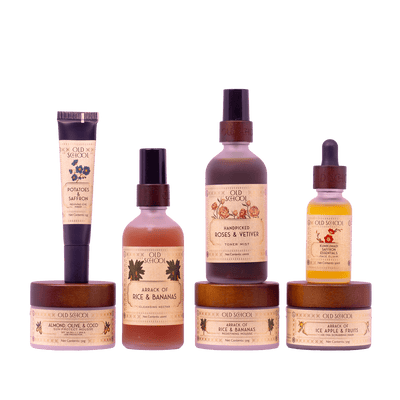
Wash your face with cool water and a natural face wash like our Rice Face Wash with Banana Extract to remove sweat, oil, or dirt and refresh the skin.
Step 2: Complete Your Skincare First
After cleansing, apply a light moisturiser to keep your skin hydrated. A natural formula like Rice and Banana Moisturiser suits all skin types.
Let the moisturiser settle for a minute before moving to sun protection.
Step 3: Use the Right Amount of Sunscreen
Take a generous amount of sunscreen and dot it across every region of your face: forehead, cheeks, nose, chin, jawline, neck, hands, arms, ears, and back of the neck, especially if you are stepping outdoors. (Every inch of skin exposed needs UV protection.)
On days when you wear makeup, you can use the Aloe Vera BB cream with natural UV shields like zinc oxide, aloe vera gel, and moisturising almond oil. It works as a beauty balm that primes, evens out skin tone, and offers sun protection in one step.

Step 4: Apply Early and Reapply on Time
Apply sunscreen 15–20 minutes before stepping out so it has time to settle on the skin.
Reapply every 2–3 hours, especially when you are outdoors for long, sweating, wiping your face, or washing your face.
Which Sunscreen Is Best for Your Skin Type?
Oily or Acne-Prone Skin
For oily or acne-prone skin, choose a lightweight, non-greasy sunscreen that does not feel heavy on the face. Gel-based or matte-finish sunscreens usually work better because they sit comfortably on the skin without making it look too shiny.
Dry Skin
For dry skin, choose a sunscreen that gives sun protection while also keeping the skin comfortable. A moisturising sunscreen can help reduce dryness, tightness, and flaky patches.
Sensitive Skin
For sensitive skin, choose a gentle sunscreen with a simple formula. Mineral sunscreens with ingredients like zinc oxide or titanium dioxide are often preferred because they sit on top of the skin and are usually gentler.
Normal to Combination Skin
For normal to combination skin, choose a balanced sunscreen that is neither too heavy nor too drying. A lightweight lotion, gel, or fluid sunscreen can work well for daily use. Make sure it spreads easily, feels comfortable, and protects both the oily and dry areas of the face.

A Natural Sunscreen That Works for Multiple Skin Types
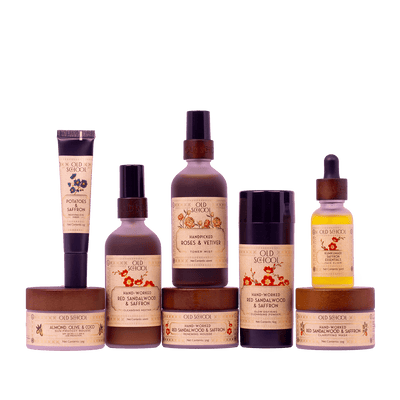
If you're looking for a nourishing, lightweight sunscreen that works across skin types, the Olive Oil Sunscreen combines multiple skin-loving ingredients:
-
Sweet Almond Oil: rich in Vitamin E; nourishes dry and normal skin without clogging pores
-
Olive Oil: high in fatty acids; reinforces the moisture barrier for dry and combination skin
-
Coconut Oil: lightweight antimicrobial; helps keep sensitive and acne-prone skin calm
-
Vitamin E: antioxidant; helps neutralise free radical damage for all skin types, especially ageing-prone
Final Thoughts
Applying sunscreen on your face everyday is one of the simplest and most effective things you can do for your skin every single day. It takes less than a minute, but its benefits work in your skin’s favour for years to come. The key is not just using sunscreen, but using it correctly: apply enough, cover all exposed areas and reapply on time.
FAQs
How to apply spf on your face with makeup?
Cleanse your face well, then follow with your skincare routine and apply sunscreen as the final step. Wait a few minutes before applying makeup so the sunscreen settles evenly and does not mix too much with your makeup products.
Is mineral sunscreen safe for the skin to reapply multiple times a day?
Yes, a mineral sunscreen is considered skin-safe because its active minerals (zinc oxide/ titanium dioxide) form a protective layer on top of the skin but do not interact with the skin and are less likely to cause irritation, even with reapplication.
Can I apply sunscreen on a pimple or active breakout?
Yes, a gentle, natural sunscreen is safe to apply on pimples or active acne. It helps protect the skin from UV exposure, which can otherwise make acne marks darker and worsen irritation. Avoid rubbing harshly while applying.
Can I use the same sunscreen for my face and body?
Yes, you can use the same sunscreen for your face and exposed areas of your body as long as it feels comfortable on your skin.


