


 +91 9951402666












Sticky by noon, oily by evening, and somehow dull no matter how much you wash it. That is what a lot of skin goes through once the rains set in. A monsoon skin care routine is not about adding more products. It is about swapping the ones you use for versions that actually suit humid, damp weather. Here is how the season changes your skin, what an effective monsoon skin care routine looks like step by step, and the mistakes worth skipping this year.
How Does Monsoon Weather Affect Your Skin?

Humidity keeps skin damp for longer, trapping sweat, oil, and pollution against the surface instead of letting it evaporate. Pores clog more easily, and that moisture-and-warmth combination is exactly what bacteria and fungi thrive on, which is why breakouts and patchy texture tend to show up more in monsoon than in drier months. Oily skin often turns oilier, while dry skin can still flake underneath, since humidity affects surface moisture more than actual hydration.
How Do You Build a Monsoon Skin Care Routine?

1. Cleanse :
Start by clearing out the oil, sweat, and grime the day has left behind. A purifying face wash powder made with Indian spices, this salicylic acid face wash brings a warming, calming effect for oily and acne-prone skin, with the spice blend working to reduce inflammation and keep excess oil under control while rice powders cleanse and tighten pores. Salicylic acid in the formula helps prevent the breakouts that monsoon humidity tends to trigger.
2. Tone :
After cleansing, a toner resets the skin's pH and adds back hydration without weighing it down. Built for sensitive skin prone to moisture loss and exposure damage, the Cinnamon & Mango Toner Mist relies on cinnamon's antibacterial properties and mango's cleansing action to remove impurities while balancing hydration.
3. Serum :
This is where you target the specific concern monsoon weather brings on, usually oiliness or breakouts. Formulated to address active acne, acne scars, and breakouts, the niacinamide face serum also keeps excess oil in check, with Indian spices in the formula adding antibacterial and anti-inflammatory support so skin stays clearer through the wet months.
4. Moisturize :
Skipping moisturizer because skin already feels oily is a common monsoon mistake. What you need instead is a lightweight formula, and cinnamon, cardamom, and clove do exactly that in this Indian spices moisturizer, fighting excess sebum and impurities caused by excess oil while giving skin a calming effect without a heavy finish.
5. Sunscreen :
Clouds block visibility, not UV rays. Skin can still tan or develop pigmentation on an overcast, rainy day, so a light, non-greasy sunscreen still belongs in a monsoon morning routine, applied as the last step before stepping out.
Which Ingredients Work Best for Monsoon Skin Care?

Certain natural ingredients suit damp weather especially well because of how they behave on skin. Multani mitti works as a natural cleanser that tones the skin, a good weekly addition for anyone dealing with monsoon oiliness. It shows up in the Hand-Pounded Spices & Camphor Oil Purifying Mask, a face mask with multani mitti that combines whole Indian spices with camphor to fight inflammation and support skin repair, ideal for oily, acne-prone skin thanks to its purifying, calming effect. Honey in the same formula brings anti-inflammatory, antibacterial support, useful when humidity makes skin more reactive. Niacinamide and camphor oil, used across the cleanser, serum, and mask, consistently show up for strengthening the skin barrier and calming irritation, which matters when skin is under more environmental stress than usual.
What Are Monsoon Skin Care Tips for Different Skin Types?

-
Oily and acne-prone skin benefits most from lighter textures across the board: a cleansing powder over a cream cleanser, a mist over a heavy lotion, and exfoliation twice a week rather than daily.
-
Dry skin still needs a true moisturizer in monsoon, just a lighter one, since humidity affects the air around skin more than the moisture actually held within it.
-
Sensitive skin should be more cautious with activities like salicylic acid and niacinamide this season, since sweat and humidity can make skin more reactive, so a patch test before regular use is worth the extra day.
What Mistakes Should You Avoid in Monsoon Skin Care?
-
Skipping sunscreen because the sky looks overcast
-
Over-washing the face, which strips skin and triggers more oil in response
-
Using heavy, occlusive creams that trap sweat underneath
-
Going straight from rain-soaked skin to makeup without cleansing first
-
Skipping a patch test when introducing new actives in a season skin is already more reactive
Conclusion
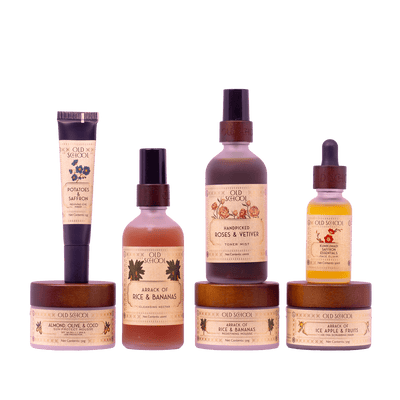
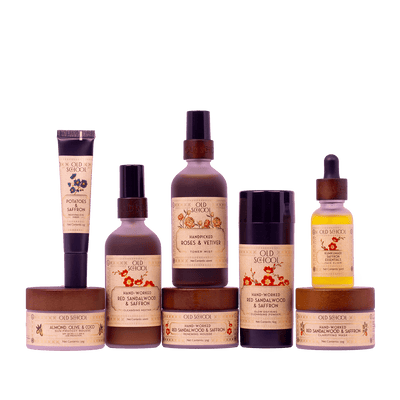
Monsoon skin care is less about a bigger routine and more about the right textures at the right time. A cleanser, toner, serum, and light moisturizer suited to humidity, instead of fighting it, do more for skin than a shelf full of products used in the wrong season. If you are ready to make the swap, Old School Rituals' monsoon skin care products collection is built around exactly this kind of seasonal adjustment.
FAQs
Can I skip moisturizer during monsoon if my skin already feels oily?
No. Skipping moisturizer often makes skin produce more oil to compensate for the moisture it is missing. A lightweight, non-greasy formula works better than skipping the step entirely.
How often should I exfoliate or use a face mask in the monsoon?
Two to three times a week is generally enough. Daily exfoliation during humid weather can over-strip skin and leave it more reactive rather than clearer.
Is sunscreen really necessary on rainy or cloudy days?
Yes. UV rays pass through cloud cover, so skin remains exposed even when the sun is not visibly out. A light, water-resistant formula is easiest to maintain through the season.
Can sensitive skin use activities like salicylic acid or niacinamide during the monsoon?
It depends on individual reactivity. Monsoon humidity can make sensitive skin more prone to irritation, so a patch test before regular use is recommended rather than skipping activities altogether.
How soon can I expect visible results from a monsoon skin care routine?
Most natural, active ingredients need consistent use for two to three weeks before changes in texture or clarity become noticeable, rather than overnight results.


