


 +91 9951402666












If you've noticed uneven patches or stubborn dark spots that don't fade easily, you're likely dealing with pigmentation. Some skin concerns come and go, but pigmentation tends to stay longer than expected and gradually becomes more noticeable over time.
In this guide, understand the causes and symptoms of pigmentation, learn practical tips to get rid of facial pigmentation, and explore simple lifestyle and diet habits that help prevent it from coming back.
What is Pigmentation on the Face?
Pigmentation refers to your skin's natural colouring, regulated by a pigment called melanin. When melanin production becomes uneven or concentrated in certain areas, it results in hyperpigmentation, patches of skin that appear visibly darker than the surrounding tone.
Main Causes of Pigmentation on the Face
Several factors can trigger uneven melanin production:
● Sun exposure: the most common trigger, leading to dark spots and uneven patches over time.
● Hormonal shifts: pregnancy, contraceptives, or thyroid changes can cause melasma.
● Skin trauma: acne, waxing, or inflammation can leave behind dark marks as the skin heals.
● Nutritional deficiencies: low vitamin C, B12, or iron slow the skin's ability to fade discolouration.
● Medications: Some drugs increase sun sensitivity, accelerating pigmentation.
● Ageing: melanin distribution becomes less uniform over time, causing age spots.
Common Symptoms of Pigmentation on the Face
Pigmentation does not always present in the same way, and distinguishing its forms ensures you're treating the right condition.
● Dark patches: areas appear darker than the surrounding skin
● Uneven tone: patchy or blotchy skin appearance
● Sunspots: dark spots on sun-exposed areas
● Melasma: large, symmetrical facial patches
● Acne marks: dark spots after breakouts heal
Natural Ways to Get Rid of Pigmentation from the Face
Removing pigmentation from the face naturally starts with plant-based ingredients and simple skincare habits that help reduce melanin buildup gradually while supporting overall skin health.
1. Turmeric and Honey Mask
Turmeric contains curcumin, an anti-inflammatory and antioxidant that helps reduce excess melanin (pigment) formation. Honey acts as a humectant, helping retain moisture while soothing and repairing the skin.
● Apply a paste of raw turmeric and honey or use a honey turmeric face mask on affected areas.
● Leave for 15--20 minutes, then rinse with lukewarm water.
● Use 2--3 times weekly for gradual improvement.
2. Kumkumadi Oil Ritual
Kumkumadi oil contains saffron and herbal extracts known for skin-brightening and repair. It supports overnight regeneration, helping improve uneven tone and dullness over time.
● Massage 3--4 drops of Kumkumadi face oil onto clean skin each evening.
● Allow it to absorb overnight for better results.
3. Red Sandalwood Cleansing
Red sandalwood contains alpha-santalol, known for its anti-inflammatory and skin-brightening properties. It helps calm irritation and gradually reduce surface pigmentation without damaging the skin barrier.
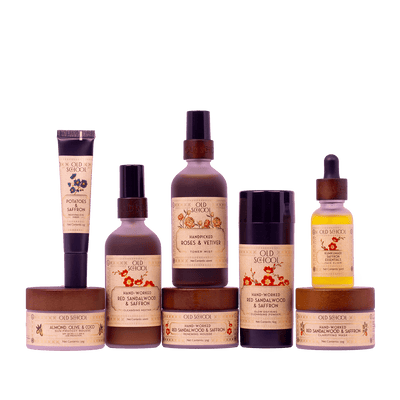
● Use a fresh red-sandalwood paste or a ready-to-use Red sandalwood face wash daily to cleanse the skin gently.
● Rinse without over-scrubbing to avoid irritation.
4. Niacinamide Serum Application
Niacinamide (Vitamin B3) helps block melanin transfer to skin cells, reducing dark spots at the source. It also strengthens the skin barrier and suits sensitive or reactive skin types.
● Apply a niacinamide serum after cleansing, before moisturising.
● Use daily, preferably in the morning.
5. Salicylic Acid Cleansing for Post-Inflammatory Marks
Salicylic acid (a BHA) exfoliates by dissolving dead skin buildup and unclogging pores. This helps fade acne marks faster by supporting natural skin renewal.
● Use a salicylic acid face wash 2--3 times a week.
● Avoid daily use to prevent over-drying.
6. Daily Moisturising Support
Ingredients like cinnamon, cloves, and turmeric have long been used in Ayurvedic skincare for their antioxidant, antimicrobial, and brightening properties, making them effective allies in maintaining an even, healthy complexion.
● Apply a nourishing cream like the Indian Spices Face Cream with all these ingredients.
● Use both in the morning and night routine to maintain hydration and skin balance.

How to Prevent Pigmentation on Face Naturally
To prevent facial hyperpigmentation, daily habits like sun protection, gentle care, and a consistent routine play a bigger role than occasional treatments in keeping skin even-toned.
Use Sunscreen Daily
Apply a broad-spectrum SPF 30 or higher every day, even for short outdoor trips and in cloudy seasons.
Avoid Direct Sun Exposure
Try to limit direct sun exposure between 11 AM and 4 PM when UV intensity peaks. A wide-brimmed hat, scarf, or UV-protective sunglasses adds a physical layer of defence that no product can fully replace.
Keep Skin Well Hydrated
Use a moisturiser suited to your skin type every morning and night, consistently. Dehydration makes skin reactive to environmental triggers and leads to uneven tone.
Do Not Pick or Touch Acne
Squeezing or scratching a pimple triggers inflammation and leaves scars that often last far longer than the pimple itself.
Use Gentle Exfoliation
Exfoliating 1--2 times a week with a mild acid like lactic acid or a gentle physical scrub helps turn over skin cells and keeps the surface looking fresh.

Follow a Consistent Routine
Constantly switching products disrupts the skin barrier, triggers sensitivity, and can actually worsen pigmentation over time. Find a simple routine that works and stick with it; results come with repetition, not experimentation.
Manage Heat and Sweat Exposure
After sweating, exercising, or being in a polluted environment, cleanse your face gently as soon as possible. Leaving heat, sweat, and dirt on skin for extended periods fuels inflammation and uneven tone.
Maintain a Balanced Diet
Foods rich in antioxidants, such as berries, leafy greens, and citrus, help fight internal inflammation that contributes to pigmentation. Staying well hydrated and reducing processed sugar also supports clearer, more even-toned skin from the inside out.
Conclusion
Pigmentation is rarely caused by one thing, and it rarely disappears because of one product. What consistently works is a layered approach: understanding which type of pigmentation you have, pairing the right ingredients with daily sun protection, and giving your skin enough time to respond. If you've been consistent for 8--12 weeks and see no improvement, that's a clear signal to consult a dermatologist; some pigmentation requires prescription-strength retinoids or professional treatment to shift.
FAQs
How to remove pigmentation from the face permanently?
To remove mild spots, use niacinamide, vitamin C, and daily sunscreen consistently, with results visible in 4--8 weeks. Hormonal pigmentation like melasma can improve but needs ongoing care and cannot be permanently removed.
How long does it take to see results from natural remedies?
You may start seeing improvement in 4--6 weeks. Deeper pigmentation can take a few months with regular use.
Does diet affect skin pigmentation?
Yes, a lack of key nutrients can affect skin repair. A balanced diet supports healthier, more even-looking skin.
When should I see a dermatologist for pigmentation?
If pigmentation is spreading, very dark, or not improving over time, it's best to consult a dermatologist.


