


 +91 9951402666












Summers are longer now, hotter, and far less forgiving on the skin. More heat means more sweating, more clogged pores, and a higher chance of that itchy, prickly rash showing up on your face, neck, back, or underarms.
Here's your complete guide to understanding heat rashes. Learn the causes, symptoms, and how to treat the heat rashes naturally with simple habits and the right lifestyle choices.
Why Heat Rash Happens: Common Causes & Symptoms
Heat rash, also called prickly heat or miliaria, is a skin reaction that happens when sweat gets trapped under the skin because sweat ducts become blocked. It is common in hot and humid weather, especially when the body sweats more than usual.
Common Causes of Heat Rashes
Hot and Humid Weather - Trapped sweat under the skin, irritation, prickly bumps
Excess Sweating - Heavy sweat from workouts, travel, outdoor work, or sun exposure
Tight or Synthetic Clothing - Heat and sweat trapped against the skin
Blocked Sweat Ducts - Sweat unable to escape, leading to bumps, itching, or tiny blisters
Skin Friction - Rubbing around the underarms, thighs, neck, or waistline
Symptoms of Heat Rashes
Small Raised Bumps - Tiny spots on the skin, sometimes red, grey, white, or purple
Itchy or Prickly Feeling - Pins-and-needles sensation, common prickly heat discomfort
Mild Swelling - Slight puffiness around the irritated area
Burning or Stinging Sensation - Warm, tender, or uncomfortable skin after sweating
Tiny Blisters - Small clear fluid-filled bumps in some cases
Discomfort After Sweating - Itching and prickling that gets worse when the body heats up again
Natural Ways to Treat Heat Rash in Summer
When heat rash strikes, natural remedies can provide fast, effective relief without harsh chemicals. These heat rash remedies work by cooling your skin, reducing inflammation, and helping sweat ducts clear themselves.
Move to a cooler environment immediately
The first step in any prickly heat treatment is escaping the heat source. Move to an air-conditioned room or shaded area right away. This stops additional sweating and gives your skin a chance to breathe. Lower temperatures help your blocked sweat ducts open naturally.
Wear loose, breathable cotton clothing
Switch to loose-fitting cotton clothes that allow air circulation. Natural fabrics help moisture evaporate from your skin instead of trapping it. This simple change accelerates healing significantly.
Pat your skin dry, never rub
After bathing or applying remedies, gently pat your skin with a soft towel. Rubbing irritates the rash further and can damage already sensitive skin. Air-drying is even better when possible.
Apply cool compresses to affected areas
Soak a clean cloth in cold water, wring it out, and place it on the rash for 10-15 minutes. This simple heat rash cure provides instant relief from itching and reduces inflammation. Repeat several times throughout the day as needed.
Use gentle natural remedies for facial heat rash
The face is more prone to heat rash because the skin is thinner, more sensitive, and more exposed to sun, sweat, sunscreen, makeup, and frequent touching.
For mild facial heat rash, rinse your face with cold water throughout the day. Then try these simple natural remedies to calm the skin:
Aloe Vera Gel: Use at night daily
Apply a thin layer of aloe vera gel at night after cleansing the face with cool water. It is useful when the rash feels itchy, warm, or slightly puffy because the gel texture gives light hydration without making the skin greasy.

Cucumber/ Sandalwood Paste : Use immediately after sun exposure or sweating
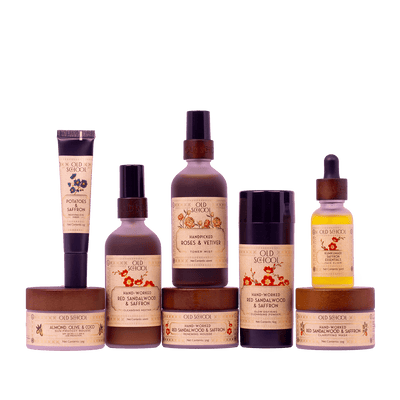
Apply chilled cucumber slices, cucumber pulp, or a red sandalwood mask when the face feels hot, prickly, or irritated after being outdoors.
Cucumber's water-rich texture helps cool the skin and reduce the burning sensation. Red sandalwood mask helps soothe heat-stressed skin, supports a brighter-looking complexion, and gives the skin a refreshed, relaxed feel after sun exposure.
Rose Water : Use whenever heat or sweat triggers irritation
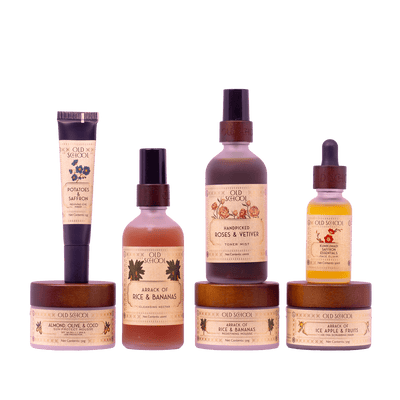
Spray a light rose water mist spray on the face when the skin starts feeling sticky, heated, or uncomfortable during the day. Rose water helps refresh the skin, while vetiver is traditionally used in summer skincare for its heat-balancing effect.

Honey & Turmeric Blend: Use 1–2 times a week
Use the honey turmeric face mask in the evening when the face feels dull, sweaty, or irritated due to summer heat. Honey helps keep the skin soft, turmeric helps reduce the look of redness and discomfort, and clay helps absorb excess sweat and oil from the skin surface.
Simple Tips to Prevent Heat Rash in Summer
Prevention is always better than cure, especially when it comes to heat rash. These practical strategies help you stay comfortable and rash-free all summer long.
Choose your clothing wisely
Wear loose-fitting clothes made from natural, breathable fabrics like cotton, linen, or bamboo. These materials allow air to circulate and moisture to evaporate, preventing the sweat buildup that causes heat rash. Avoid tight synthetic fabrics that trap heat against your skin.

Stay in cool environments during peak heat
Limit outdoor activities during the hottest parts of the day, typically between 10 AM and 4 PM. When possible, stay in air-conditioned spaces or use fans to keep air moving. This reduces overall sweating and gives your skin a break.
Take cool showers regularly
Shower after sweating heavily or exercising to rinse away salt and debris that can clog your pores. Cool water helps lower your body temperature naturally. Pat yourself dry thoroughly, especially in skin folds where moisture lingers.
Stay properly hydrated
Drinking plenty of water helps regulate your body temperature and reduces excessive sweating. Proper hydration keeps your skin healthy and less prone to irritation. Aim for at least 8-10 glasses daily during hot weather.
Keep your living space well-ventilated
Use fans, open windows during cooler hours, and ensure good air circulation in your home. Better airflow reduces ambient temperature and helps sweat evaporate more quickly from your skin.
Avoid intense physical activity during heat waves
Exercise during early morning or evening hours when temperatures drop. If you must be active during the day, take frequent breaks in the shade and avoid overexertion that causes excessive sweating.
Protect your skin with natural SPF
Sun exposure increases body temperature and triggers more sweating, which can lead to heat rash. Use a lightweight coconut oil SPF that protects without clogging pores. Natural sun protection keeps your skin safe from UV damage while allowing it to breathe, preventing the pore blockages that cause prickly heat.

Conclusion
Heat rash is your skin's way of telling you it's overwhelmed by heat, by heavy products, by fabrics that won't let it breathe.The real fix lies in a mindful summer lifestyle. Choosing breathable fabrics, stepping out of peak heat, keeping your skincare routine light, and staying hydrated. Small, consistent choices that your skin quietly benefits from every single day.
FAQs
How long does heat rash typically last?
Heat rash usually clears up within 3-4 days once you stop sweating and keep the affected area cool and dry. Mild cases may resolve in just 24 hours, while more severe instances might take up to a week with proper care.
Is heat rash contagious?
No, heat rash is not contagious. You cannot spread it to others or catch it from someone else. It's simply your body's reaction to blocked sweat ducts and has nothing to do with bacteria or viruses.
Can heat rash leave marks or scars after it heals?
Most heat rashes disappear without scarring. Avoiding repeated scratching to prevent scars.
When should I see a doctor for a heat rash?
Seek medical attention if your rash doesn't improve after a week, shows signs of infection like pus or increased pain, causes fever, or if you develop swollen lymph nodes. These symptoms may indicate a more serious condition requiring treatment.
Can wearing makeup cause or worsen heat rash on the face?
Yes. Heavy foundations, primers, and concealers can form a film that traps sweat and blocks pores, especially in hot weather. If you're prone to facial heat rash, use minimal, non-comedogenic products and let your skin breathe until the rash settles.


